

homemade dish soap looked at the label on a commercial dishwashing liquid and wondered what all those unpronounceable ingredients actually do, you’re not alone. More and more people are turning to homemade dish soap as a healthier, eco-friendly, and cost-effective alternative. Making your own dish soap isn’t just about saving money—it’s about taking control of what touches your dishes, your hands, and ultimately your health.
In this guide, you’ll learn everything you need to know about creating and using homemade dish soap, from simple recipes to advanced customization tips. Whether you’re motivated by sustainability, sensitive skin, or just curiosity, this deep dive will help you make better, smarter choices for your kitchen.
Why Choose Homemade Dish Soap?
Switching to homemade dish soap is about more than just following a trend—it’s about making a conscious lifestyle shift. Many store-bought dishwashing products contain synthetic fragrances, preservatives, and harsh surfactants that can irritate the skin and contribute to environmental pollution. When you make your own, you know exactly what’s going into your formula.
Another major advantage is customization. With homemade dish soap, you can adjust the scent, thickness, and cleaning power according to your needs. Whether you want something gentle for everyday use or a stronger degreaser for heavy-duty cleaning, the flexibility is unmatched. Plus, it can be surprisingly satisfying to create something practical with your own hands.
Understanding the Basics of Dish Soap Formulation
Before diving into recipes, it’s helpful to understand what makes dish soap effective. At its core, dish soap is designed to break down grease and lift food particles off surfaces. This is achieved through surfactants—ingredients that reduce surface tension and allow oil and water to mix.
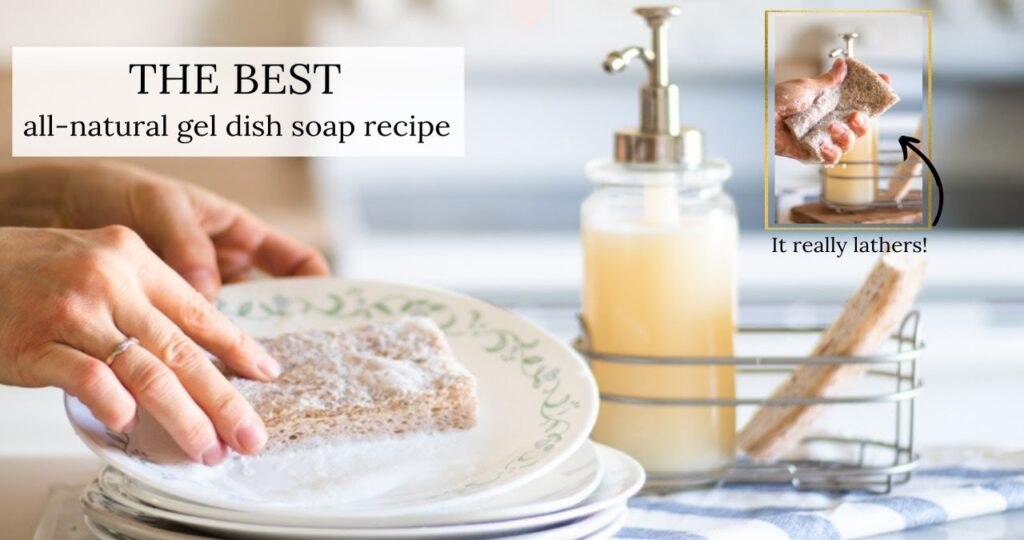
In homemade dish soap, natural alternatives like liquid castile soap often act as the primary cleaning agent. These plant-based soaps are gentle yet effective and can be combined with other ingredients like baking soda or vinegar to enhance cleaning performance. Each ingredient serves a purpose, from boosting lather to adding antibacterial properties.
Essential Ingredients for Homemade Dish Soap
Creating effective homemade dish soap starts with choosing the right ingredients. While recipes can vary, most rely on a few key components that work together to clean and protect.
Liquid castile soap is the foundation of many recipes. It’s biodegradable, non-toxic, and derived from vegetable oils, making it ideal for eco-conscious households. Baking soda is another popular ingredient, known for its ability to cut through grease and neutralize odors. Vinegar is often used for its natural antibacterial properties, although it should be used carefully to avoid destabilizing certain mixtures.
Essential oils are optional but highly recommended. They not only add a pleasant scent but can also provide antimicrobial benefits. Lemon, tea tree, and lavender oils are common choices. Water is used to dilute the mixture, ensuring the soap is easy to use and not overly concentrated.
Simple Homemade Dish Soap Recipe for Beginners
If you’re new to DIY cleaning products, starting with a simple recipe is the best approach. A basic homemade dish soap can be made with just a few ingredients and minimal effort.
Combine one cup of liquid castile soap with one tablespoon of baking soda and a few drops of your favorite essential oil. Mix gently to avoid excessive foaming. Add a small amount of water if needed to achieve your desired consistency. Pour the mixture into a reusable bottle, and it’s ready to use.
This basic formula works well for everyday dishwashing tasks. It’s gentle on the hands and effective at removing light grease and food residue. Over time, you can experiment with adjustments to better suit your needs.
Advanced Recipes for Stronger Cleaning Power
While basic recipes are great for daily use, sometimes you need something stronger. Greasy pans, baked-on food, and heavy residue require a more powerful formula.
An advanced homemade dish soap recipe might include washing soda, which is stronger than baking soda and excellent for cutting grease. Adding a small amount of vegetable glycerin can help maintain moisture and improve texture. You can also increase the concentration of castile soap for extra cleaning power.
Another option is to create a paste using baking soda and a small amount of liquid soap. This works particularly well for scrubbing stubborn spots. The key is to balance effectiveness with gentleness, ensuring your dishes are clean without being damaged.
Benefits of Using Homemade Dish Soap
There are numerous benefits to switching to homemade dish soap, and many users notice improvements almost immediately. One of the most significant advantages is reduced exposure to harsh chemicals. This is especially important for individuals with sensitive skin or allergies.
Cost savings are another major benefit. While the initial purchase of ingredients may seem expensive, they last a long time and can be used for multiple cleaning products. Over time, the savings add up significantly compared to buying commercial products regularly.
Environmental impact is also a key consideration. Homemade dish soap typically uses biodegradable ingredients and reduces plastic waste by allowing you to reuse containers. This makes it a more sustainable choice for eco-conscious households.
Common Mistakes to Avoid
While making homemade dish soap is relatively simple, there are a few common pitfalls to watch out for. One of the most frequent mistakes is using too many ingredients at once. This can lead to unstable mixtures that separate or lose effectiveness.
Another issue is incorrect ratios. Adding too much water can dilute the cleaning power, while too much baking soda can make the soap abrasive. It’s important to follow tested recipes and make adjustments gradually.
Storage is another factor to consider. Homemade dish soap doesn’t contain the preservatives found in commercial products, so it’s best to make small batches and store them in a cool, dry place. Shake the bottle before use if separation occurs.
Customizing Your Homemade Dish Soap
One of the best things about homemade dish soap is how customizable it is. You can tailor it to your preferences in terms of scent, texture, and performance.
For a refreshing citrus scent, add lemon or orange essential oil. If you prefer something calming, lavender is a great choice. You can also adjust the thickness by adding more or less water, depending on whether you prefer a liquid or gel consistency.
For extra grease-cutting power, consider adding a small amount of salt or increasing the concentration of cleaning agents. Experimentation is key, and over time, you’ll find the perfect formula for your household.
Homemade Dish Soap vs Store-Bought Options
Choosing between homemade dish soap and commercial products often comes down to priorities. Both have their advantages, but the differences are worth considering.
| Ingredients | Natural and customizable | Often synthetic |
| Cost | Lower over time | Higher long-term |
| Environmental Impact | Eco-friendly | More waste |
| Skin Sensitivity | Gentle | Can cause irritation |
| Convenience | Requires preparation | Ready to use |
“Making the switch to homemade dish soap is not just about cleaning dishes—it’s about cleaning up your lifestyle.”
While store-bought options may be more convenient, the long-term benefits of homemade alternatives often outweigh the initial effort required.
Tips for Best Results
To get the most out of your homemade dish soap, a few simple tips can make a big difference. Always shake the bottle before use to ensure the ingredients are well mixed. Use warm water when washing dishes, as it helps activate the cleaning agents and improves grease removal.
Use a sponge or brush that complements your soap. Some natural soaps produce less foam than commercial ones, but that doesn’t mean they’re less effective. Focus on cleaning performance rather than lather.
It’s also helpful to pre-soak heavily soiled dishes. This reduces the amount of scrubbing required and allows the soap to work more effectively.
Storage and Shelf Life
Proper storage is essential for maintaining the quality of your homemade dish soap. Since it doesn’t contain synthetic preservatives, it has a shorter shelf life than commercial products.
Store your soap in an airtight container, preferably in a cool and dry place. Avoid direct sunlight, as it can degrade certain ingredients, especially essential oils. Most homemade dish soap recipes last between two and four weeks, depending on the ingredients used.
If you notice changes in smell, texture, or color, it’s best to discard the mixture and make a fresh batch. Keeping batches small ensures you always have a fresh and effective product.
Environmental Impact of Homemade Dish Soap
One of the most compelling reasons to switch to homemade dish soap is its positive environmental impact. Traditional dish soaps often contain chemicals that can harm aquatic life and contribute to water pollution.
Homemade alternatives use biodegradable ingredients that break down more easily in the environment. This reduces the overall ecological footprint of your cleaning routine. Additionally, reusing containers minimizes plastic waste, which is a major environmental concern.
By making this simple change, you’re contributing to a more sustainable future while maintaining a clean and healthy home.
Conclusion
Homemade dish soap offers a practical, affordable, and eco-friendly alternative to conventional cleaning products. With simple ingredients and a bit of experimentation, you can create a solution that meets your specific needs while reducing your environmental impact.
From basic recipes to advanced formulations, the possibilities are endless. By understanding the ingredients, avoiding common mistakes, and customizing your approach, you can enjoy cleaner dishes and a healthier home. Making the switch might require a small adjustment, but the long-term benefits make it well worth the effort.
Frequently Asked Questions
What is homemade dish soap made of?
Homemade dish soap is typically made from natural ingredients like liquid castile soap, baking soda, water, and essential oils. These components work together to clean grease and food residue effectively.
Is homemade dish soap as effective as store-bought?
Yes, homemade dish soap can be very effective, especially when properly formulated. While it may produce less foam, its cleaning ability is comparable when used correctly.
How long does homemade dish soap last?
Most homemade dish soap lasts between two and four weeks. Since it doesn’t contain preservatives, it’s best to make small batches and store them properly.
Can homemade dish soap kill bacteria?
Certain ingredients in homemade dish soap, such as vinegar and essential oils like tea tree, have antibacterial properties. However, it’s important to use proper washing techniques for the best results.