

best paint be honest: few home improvement projects deliver as much visual bang for your buck as painting your cabinets. It can utterly transform a kitchen or bathroom from dated to dazzling without the astronomical cost of a full remodel. But here’s the catch that trips up countless DIYers and even some pros—the success of your entire project hinges on one critical choice: selecting the best paint for cabinets. This isn’t a decision to make lightly, and it’s certainly not the place to use whatever leftover wall paint you have sitting in the garage. Cabinets endure a warzone of daily life—grease, steam, constant touching, scrubbing, and the occasional impact from a rogue saucepan. The right paint forms a durable, protective shell that looks stunning for years; the wrong one leads to a sticky, chipping, disappointing mess that you’ll have to redo far too soon.
This guide is your comprehensive roadmap through the sometimes overwhelming world of cabinet finishes. We’re going to move beyond brand names and marketing hype to understand the science and practicality behind a flawless finish. We’ll dissect paint types, from classic oil-based enamels to modern, advanced water-based formulas. We’ll delve into sheen levels, preparation secrets, and application techniques that separate a pro-level job from an amateur one. By the end, you’ll have the confidence to choose the absolute best paint for cabinets for your specific project, skill level, and vision, ensuring a result that is not only beautiful but built to last.
Understanding What Makes Cabinet Paint Different
You might wonder why you can’t just roll on the same lovely matte emulsion you used in your living room. The difference between wall paint and the best paint for cabinets boils down to chemistry and performance requirements. Wall paint is designed to be porous, allowing moisture to pass through and to be easily touched up. Cabinet paint, on the other hand, must create a hard, non-porous, and cohesive film. Think of it as a piece of flexible armor. This armor needs to resist moisture from steam and cleaning, repel oils and grease from cooking, withstand abrasion from dishes and pots, and resist yellowing over time, especially in areas that don’t see much sunlight.
The magic lies in the resin (or binder) and the additive package. High-quality cabinet paints use tougher resins that cross-link as they cure, forming a denser, more chemical-resistant film. They also include additives for flow and leveling, which help the paint smooth itself out as it dries, minimizing brush marks and creating that desirable factory-like finish. Furthermore, the pigment load is often higher, providing better hide and richer color in fewer coats. Simply put, while wall paint is designed to decorate, the best paint for cabinets is engineered to protect and endure under relentless daily use.
This engineering extends to application properties. Many premium cabinet paints are formulated to be “self-leveling,” which is a key term you’ll encounter. This means the paint has a longer open time (stays workable) and a specific viscosity that allows it to flow out, easing the marks left by a brush or roller before it sets. This characteristic is crucial for achieving a smooth, professional finish without needing a sprayer. Understanding these fundamental differences is the first step in avoiding a product that will fail under the unique stresses of a cabinet surface.
The Great Debate: Oil-Based vs. Water-best paint
For decades, the answer to the question of the best paint for cabinets was unequivocal: oil-based enamel. It was the gold standard, renowned for its incredibly hard, smooth, and durable finish that seemed to get tougher over time. However, the landscape has dramatically shifted with technological advancements in water-based (also called latex or acrylic) paints. Today, the choice is less clear-cut and more about weighing specific pros and cons against your project’s needs and your personal preferences.
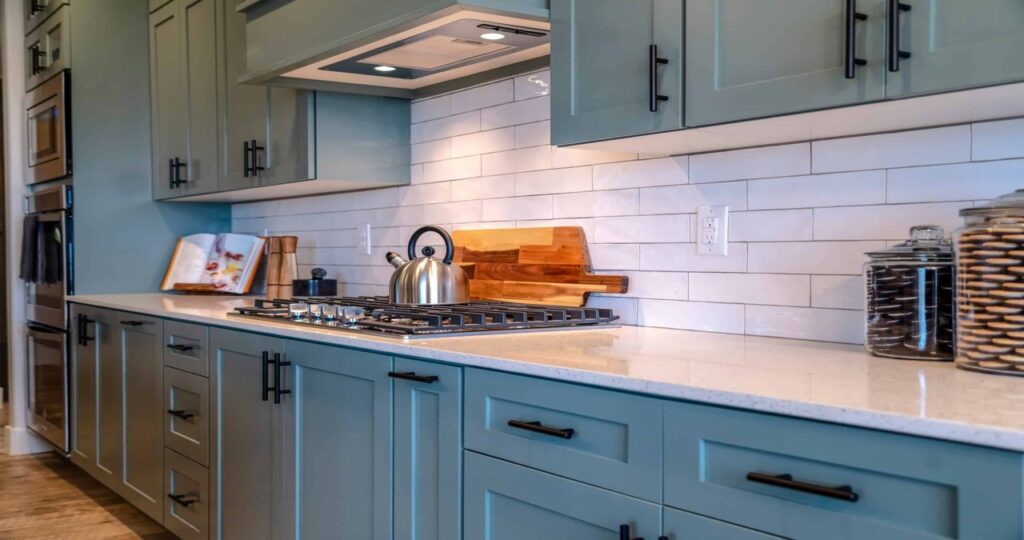
Oil-best paints, traditionally using alkyd resins, are celebrated for their unparalleled leveling. They flow out beautifully, often erasing brush strokes to create a glass-smooth surface. They also have a longer working time, allowing for more manipulation before drying. The finish is typically very hard and resistant to moisture once fully cured, which can take several weeks. However, the downsides are significant. They have a powerful odor from volatile organic compounds (VOCs) that requires excellent ventilation. Cleanup requires harsh chemicals like mineral spirits or paint thinner. They are also prone to yellowing over time, especially on white or light-colored cabinets, and are becoming harder to find due to strict environmental regulations in many regions.
Modern water-based paints, specifically those labeled as “acrylic enamel” or “hybrid,” have closed the gap considerably. The best paint for cabinets in this category now uses advanced acrylic and polyurethane resins to achieve a finish nearly as hard and durable as oil. Their advantages are compelling: very low odor, quick drying times (allowing for recoats in a few hours), easy cleanup with soap and water, and excellent color retention without yellowing. While early generations could be tricky to apply smoothly, today’s top-tier formulas have excellent self-leveling additives. The main historical drawback—less durability against chemicals and abrasion—has been largely mitigated, making a high-quality water-based enamel a superb and more user-friendly choice for most DIYers seeking the best paint for cabinets.
Exploring Specialized Paint Formulas
Beyond the basic oil vs. water dichotomy, the market now offers innovative formulas that aim to solve specific problems or offer unique benefits. Understanding these options can help you find the perfect match for your situation.
One prominent category is the “hybrid” or “waterborne alkyd” paint. These are essentially the best of both worlds: they have the acrylic base of a water-based paint (for low odor, easy cleanup, and non-yellowing) but are modified with alkyd resins. This gives them the exceptional flow, leveling, and hard finish characteristic of traditional oil-based paints. For someone who wants that classic oil-like application and result without the fumes and cleanup, a high-quality hybrid can be a top contender for the best paint for cabinets. Another specialized type is chalk-style or mineral paint. While not a traditional enamel, its popularity for cabinets stems from its ultra-matte, velvety finish and incredible adhesion with little to no sanding. It does, however, always require a protective topcoat (like wax or polyurethane) for cabinetry, adding a step but allowing for a very specific distressed or vintage look.best paint
For those prioritizing health and environmental impact, zero-VOC and low-VOC paints are a must-consider. These best paints have virtually no odor, making them ideal for painting cabinets in a home you’re living in, especially with children, pets, or individuals with chemical sensitivities. The technology has improved to the point where you can find zero-VOC paints that are still very durable and suitable for cabinets, though it’s essential to read labels carefully and ensure the product is specifically recommended for trim, doors, and cabinets. Lastly, don’t overlook primer as a specialized formula. A high-bonding, stain-blocking primer (like shellac-based for severe stains or tannin bleed) is a non-negotiable part of the system and is just as important as the paint itself in achieving a long-lasting finish.
The Critical Role of Sheen and Finish
Choosing the perfect color is only half the battle; selecting the right sheen is what will determine both the look and the long-term practicality of your cabinets. Sheen refers to how much light the painted surface reflects, ranging from no shine to a high gloss. This isn’t just an aesthetic choice; it has major implications for durability, cleanability, and how flaws in the surface or application are highlighted.best paint
For the best paint for cabinets, the most commonly recommended and used sheens are satin, semi-gloss, and gloss. Matte or flat finishes are generally avoided because they are less durable and far more difficult to clean—a fingerprint or grease splatter on a flat finish can become a permanent stain. Satin (sometimes called “eggshell” in some lines) offers a soft, velvety luster with very low reflectivity. It’s excellent at hiding minor surface imperfections and brush marks, making it forgiving for DIY application. It’s warm and modern, but can be less resistant to frequent scrubbing than a higher gloss. Semi-gloss is arguably the most popular and practical choice for cabinets. It provides a noticeable but not overwhelming shine, strikes a great balance between modern and traditional, and offers superior durability and ease of cleaning. It’s resistant to moisture, stains, and wear, making it a workhorse finish.
Gloss finish is the most durable and easiest to clean of all, creating a hard, almost plastic-like surface that grease and dirt wipe right off. Its high reflectivity, however, is a double-edged sword. It will show every single flaw—every minute sanding scratch, every tiny dust nib, every imperfection in the underlying wood. Achieving a flawless surface with gloss requires near-perfect preparation and application, often with a sprayer. For a bold, contemporary, or high-impact look in a space like a bathroom or a kitchen with simple slab cabinets, gloss can be stunning. But for most people, semi-gloss provides the ideal compromise of durability, cleanability, and forgiveness, making it a frequent recommendation for the best paint for cabinets.
Preparation: The Unseen Foundation of a Flawless Finish
If we had to assign a percentage of importance to the steps in painting cabinets, preparation would easily claim 70-80%. Skimp here, and even the most expensive, top-rated best paint for cabinets on the market will fail. Proper prep is non-negotiable and involves meticulous cleaning, deglossing, repairing, and priming.
The process begins with a thorough cleaning to remove decades of grime, grease, and oils that prevent best paint from adhering. A degreaser like TSP (trisodium phosphate) or a comparable heavy-duty cleaner is essential. Every square inch, especially around handles and near the stove, must be cleaned. Next, all hardware (hinges, pulls, knobs) should be removed, and doors and drawers should be taken off their bases. This allows you to paint edges and surfaces properly. The existing finish then needs to be “keyed” or roughened to provide tooth for the new paint. This is done by sanding with a fine-grit sandpaper (120-150 grit) or using a liquid deglosser. The goal isn’t to strip the old finish but to dull its shine. Any holes, dents, or imperfections should be filled with a high-quality wood filler and sanded smooth.
Priming is the final and most critical step of preparation. A high-quality primer designed for cabinets and trim seals the surface, ensures uniform adhesion, blocks stains (like water marks or wood tannins), and provides a consistent base for your topcoat color. For kitchens with heavy grease or smoke, a shellac-based primer is a powerful stain blocker. For most other situations, a high-bonding acrylic or water-based primer is excellent. Never skip the primer. It is the foundational layer that locks your beautiful topcoat in place for years to come, making the entire prep process the true secret to unlocking the performance of the best paint for cabinets.
Application Techniques for a Professional Result
With your surfaces immaculately prepared, it’s time for the transformative stage: applying the paint. The method you choose will have a dramatic impact on the final look. The three main tools are brushes, rollers, and sprayers, each with its own learning curve and finish quality. best paint
Brushing is the most accessible method. For the best paint for cabinets, use high-quality synthetic bristle brushes designed for smooth surfaces—often labeled as “angled sash” or “trim” brushes. A good brush holds plenty of paint, releases it evenly, and helps with precision work on edges and details. The technique is to apply the paint and then use light, long, finishing strokes in one direction to minimize brush marks. Rolling is often used for large, flat panel areas on cabinet doors. A high-density foam roller with a very short nap (3/8″ or less) is crucial. It applies a thin, even coat but can leave a subtle “orange peel” texture. Many professionals and seasoned DIYers use a combination: brushing the edges and recesses of a door and then rolling the large flat center for efficiency and consistency.
best paint the ultimate factory-smooth, flawless finish, a sprayer is the undisputed champion. Sprayers, whether HVLP (High Volume, Low Pressure) or airless, atomize the paint into a fine mist that lays down perfectly level, leaving no brush or roller marks. However, sprayers are expensive, require significant setup (including creating a clean spray booth with plastic sheeting), involve more complex cleanup, and have a steeper learning curve to avoid runs and drips. They also create a lot of overspray. For most DIYers, using a premium self-leveling paint applied with a superb brush and foam roller can yield a result that is 95% as good as a spray job with far less hassle and cost. The key is patience, thin coats, and allowing full drying and curing times between coats. best paint
The Curing Process: Patience is a Virtue
This is the step where even well-executed projects can be ruined by eagerness. Drying and curing are not the same thing. best paint may feel dry to the touch in a few hours (especially water-based), but it has only just begun the chemical process of curing. Curing is when the paint reaches its maximum hardness, durability, and chemical resistance. Rushing this process by hanging doors too soon, overloading shelves, or wiping with harsh cleaners will damage the soft film.
For water-best paint, recoat times are short (often 2-4 hours), but full curing can take 2-3 weeks. For oil-based paints, recoat times are longer (overnight), and full curing can take a month or more. During this period, handle cabinets with care. Reinstall doors and hardware gently after the paint is dry to the touch and no longer tacky, but be extra cautious when closing them. Avoid banging them shut or letting them swing freely. For the first week, clean only with a soft, dry cloth if needed. After a few weeks, you can gradually introduce gentle cleaning with a soft, damp cloth and mild soap. The full durability of the best paint for cabinets is only realized after this curing period is complete. Respect the timeline, and your patience will be rewarded with a finish that stands the test of time.
Top Contenders for the Best Paint for Cabinets
While personal experience and project specifics will guide your final choice, several products consistently rise to the top in professional and DIY discussions about the best paint for cabinets. It’s helpful to compare some of these leaders across key categories.
Comparison of Popular Cabinet best paint
| Benjamin Moore Advance | Waterborne Alkyd (Hybrid) | Excellent self-leveling, hard enamel finish, low odor, easy cleanup. Long open time (like oil) but water-based. | DIYers wanting a pro, smooth finish without sprayer. Those transitioning from oil. | Longer recoat/dry time than standard latex (16 hrs). Needs full cure for hardness. |
| Sherwin-Williams Emerald Urethane Trim Enamel | Water-Based Acrylic-Urethane | Exceptional durability & flow. Resists stains, scuffs, moisture. Good leveling. Available in many sheens. | High-traffic kitchens. Those wanting maximum durability from a water-based paint. | Premium price point. Application must be careful to avoid runs due to its flow. |
| Behr Alkyd Semi-Gloss Enamel | Oil-Based (Alkyd) | Classic hard, glossy finish. Great leveling & adhesion. High durability when cured. | Purists who want a traditional oil finish. High-moisture areas. | Strong odor/VOCs. Cleanup with mineral spirits. Potential for yellowing. |
| General Finishes Milk Paint | Water-Based Acrylic (Topcoat Required) | Ultra-matte, velvety finish. Great adhesion with minimal prep. Easy to distress. | Vintage, cottage, or chalky looks. Furniture & cabinets with character. | Requires a protective topcoat (polyurethane, wax) for cabinetry. Two-step process. |
| Fusion Mineral Paint | Mineral-Based (Acrylic Modified) | No primer needed on most surfaces. Matte, tough finish. Built-in topcoat (once cured). Low odor. | Eco-conscious DIYers. Simple, one-product process for a matte look. | Limited sheen options (mostly matte). Color range differs from traditional brands. |
A veteran painter once told me: “The best paint for cabinets is 10% about the product in the can and 90% about the preparation underneath it. A $50 gallon over a bad prep job will always fail before a $30 gallon over a perfectly prepared surface.” This highlights that while product choice is important, it’s not a substitute for skill and thoroughness.
A noted kitchen designer shared: “We specify paints with a semi-gloss sheen for almost all our projects. It provides just enough light reflection to make the space feel alive and clean, while being practical for real life. It’s the sweet spot for families.”
Maintaining Your Newly Painted Cabinets
Your beautiful new cabinets are done, cured, and in service. To ensure they stay looking like the day you finished for as long as possible, a simple but consistent maintenance routine is key. The good news is that a properly applied and cured finish from the best paint for cabinets is designed to be low-maintenance.
For daily and weekly cleaning, always start with the gentlest method. A soft, dry microfiber cloth is perfect for dust and light fingerprints. For more thorough cleaning, use a soft cloth dampened with warm water and a small amount of mild, non-abrasive dish soap. Wipe in the direction of the wood grain or brush strokes to avoid streaking, and immediately dry with a second soft cloth to prevent water spotting. Avoid all-purpose cleaners, especially those with ammonia or bleach, as they can degrade the paint film and cause discoloration over time. Also, steer clear of abrasive scrubbers like Scotch-Brite pads or harsh chemical wipes.
For long-term care, be mindful of the environment. Use vent hoods when cooking to reduce grease accumulation and moisture. Address spills, especially acidic ones like tomato sauce or lemon juice, promptly. If you encounter a stubborn spot, you can occasionally use a cleaner specifically formulated for painted cabinets or a diluted vinegar solution, but always test in an inconspicuous area first. With this simple care, your investment of time and effort in choosing and applying the best paint for cabinets will pay dividends in beauty and longevity for many years.
Frequently Asked Questions About Cabinet best paint
What is the most durable type of paint for kitchen cabinets?
The most durable traditional option is a fully cured oil-based or alkyd enamel, renowned for its hard, chemical-resistant shell. However, modern water-based urethane-acrylic hybrid paints are now extremely comparable in durability, offering excellent resistance to moisture, stains, and abrasion without the yellowing tendency or strong odor of oil. For ultimate toughness, look for paints specifically labeled for cabinets, doors, and trim with a urethane modifier.
Can I use regular wall paint on my cabinets if I use a good primer?
It is strongly not recommended. Even with an excellent primer, regular wall paint lacks the hard, cross-linked resins and self-leveling additives of paint formulated for cabinets. It will remain softer, more prone to chipping, staining, and showing wear, and will not provide the smooth, wipeable surface needed. Investing in the best paint for cabinets designed for the job is crucial for long-term success.
How many coats of paint are necessary for cabinets?
A minimum of two topcoats over a properly applied primer is standard. One coat will almost always be uneven and lack sufficient film build for durability. Two thin, even coats ensure complete color uniformity, rich hide, and a durable protective layer. Some darker colors over lighter wood or primers may require a third coat for perfect coverage. Always remember that multiple thin coats are far superior to one thick, drippy coat.
Is a sprayer always better than brushing and rolling for cabinets?
Not always. A sprayer provides the smoothest possible finish and is faster for large, flat surfaces. However, for DIYers, the challenges of setup, overspray, cleanup, and technique can be significant. With today’s high-quality self-leveling paints, using a premium brush (for edges and details) and a microfiber roller (for flat panels) can yield a superb, near-professional finish that satisfies most homeowners. The best paint for cabinets, applied carefully with good tools, is often a more practical DIY choice.
How long should I wait before reinstalling doors and using my cabinets?
This depends on the paint. For water-based paints, doors can often be reattached after 24-48 hours when they are dry to the touch and not tacky. For oil-based, wait at least 48-72 hours. However, for gentle use, wait at least 3-5 days. For full, normal use—including closing doors firmly, loading shelves, and cleaning—you must respect the full cure time: typically 2-3 weeks for water-based and 4+ weeks for oil-based. Rushing this will damage the soft paint.
Conclusion
Choosing and applying the best paint for cabinets is a journey that blends careful product selection with meticulous craftsmanship. It’s a project that demands respect for the process, from the initial deep clean and sanding to the final, patient cure. As we’ve explored, the modern market offers phenomenal options, from user-friendly water-based urethane enamels to classic oil-based formulas and specialty hybrids. The “best” choice ultimately hinges on your specific conditions—your skill level, your tolerance for fumes, your desired sheen, and the look you want to achieve.
Remember, the magic formula is simple but uncompromising: Meticulous Preparation + Quality Primer + Appropriate Topcoat Paint + Proper Application + Patient Curing = A Lasting, Beautiful Transformation. By empowering yourself with the knowledge in this guide, you can move forward with confidence, avoiding the common pitfalls and setting the stage for a stunning result. Your kitchen or bathroom cabinets are a central feature of your home’s functionality and style. Investing the time to do the job right, with the right materials, will reward you with a space you love—a space that looks professionally refreshed and stands up gloriously to the beautiful chaos of everyday life.