

bar sweatshirt, you probably have one. Buried in your dresser, thrown over a chair, or hanging proudly in your closet, there’s a good chance you own a version of the bar sweatshirt. It’s that specific, often slightly worn sweatshirt emblazoned with the name of a local pub, a favorite brewery, a college haunt, or that dive bar you stumbled into on a memorable trip. It’s not high fashion in the traditional sense, and it wasn’t bought for its technical fabric or cutting-edge design. It was acquired, often as a souvenir, a memento, or a token of belonging. Yet, this humble piece of apparel has quietly become one of the most resonant and enduring items in modern casual wear. The bar sweatshirt represents a fascinating intersection of personal history, community identity, unpretentious comfort, and an increasingly valued form of authentic style. It’s a wearable story, a cozy emblem of a time and a place, and its journey from practical athletic wear to bar merchandise to a fashion staple is a story worth telling.
This isn’t just about a piece of clothing; it’s about what the clothing signifies. In a world of fast fashion and mass-produced logos, the bar sweatshirt stands out precisely because of its inherent specificity. Its value is almost inversely proportional to its global recognition. The more obscure the bar, the more potent the sweatshirt’s charm. It whispers rather than shouts, offering a sense of insider knowledge and genuine experience. This article will delve into the world of the bar sweatshirt, exploring its unexpected origins, its rise to cultural prominence, and the genuine reasons why we’re so drawn to wearing these cozy, branded pieces that are part of our personal histories. We’ll explore how to style them, where to find the best ones, and why this simple garment continues to hold such a powerful sway over our wardrobes and our collective imagination.
From the Locker Room to the Taproom: A Surprising History
To understand the significance of the bar sweatshirt, we must first rewind to a time before it was associated with cold pints and neon signs. The sweatshirt, as a category, has surprisingly athletic roots. It was born in the 1920s, credited to Benjamin Russell Jr., a football player for the University of Alabama who was tired of the itchy wool jerseys of the time. His father, who owned a manufacturing company, developed a new practice garment made from cotton jersey, which was softer, more absorbent, and ideal for soaking up sweat—hence the name. This utilitarian beginning is crucial. The early sweatshirt was purely functional, designed for warmth and moisture management during physical exertion. It was a garment of action, not leisure, confined to the realms of sports and manual labor for decades.
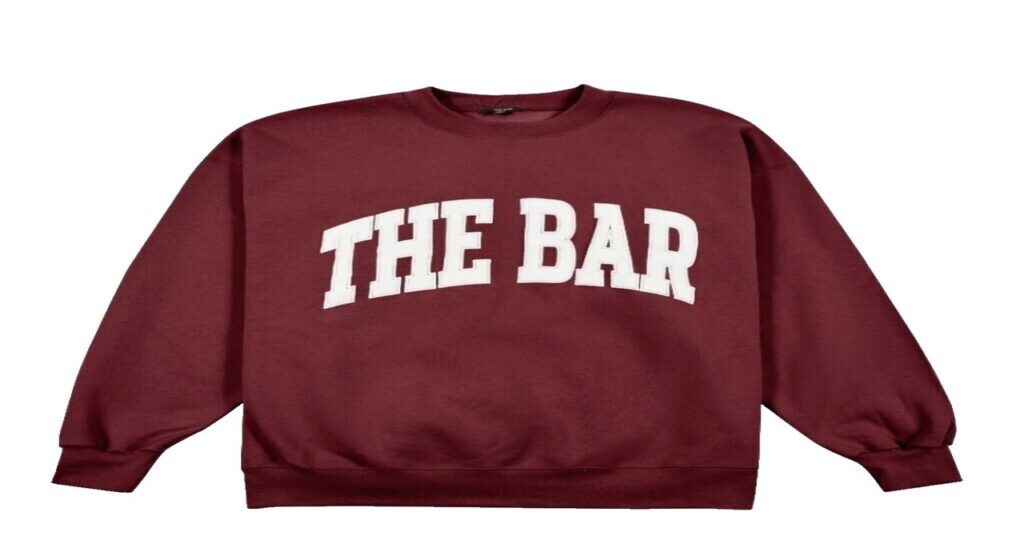
The transformation began mid-century, as college students started adopting their school’s athletic sweatshirts as casual wear, embracing the comfort and school spirit they represented. This was the first major shift: the sweatshirt stepping out of the gym and onto the campus quad. By the 1970s and 80s, with the rise of hip-hop culture and streetwear, the sweatshirt was fully divorced from its athletic origins. It became a blank canvas for self-expression, used for everything from bold logos and band names to graffiti-inspired art. It was during this era that the practice of custom apparel printing took off. Screen-printing technology became more accessible, allowing small businesses—including bars and pubs—to easily produce branded merchandise. A pub could now order a batch of affordable, comfortable sweatshirts with its name and logo, initially perhaps as a uniform for staff or a prize for a darts team. But patrons saw them, wanted them, and a new tradition was born. The bar sweatshirt emerged from this confluence: the sweatshirt’s journey to casual staple met the small business’s need for marketing and the customer’s desire for a tangible, wearable connection to their favorite local spot.
The Psychology of the Pub Logo: Why We Wear Our Watering Holes
What drives someone to willingly become a walking advertisement for a business, particularly one that serves alcohol? The motivation behind sporting the bar sweatshirt is complex and deeply rooted in human psychology, far beyond simple fan merchandise. First and foremost, it is a powerful token of belonging and community. Humans are intrinsically tribal, and wearing the name of a local establishment signals affiliation with a specific group—the regulars, the neighborhood, the city. It’s a badge of local pride. In an age of globalization, supporting a local business through your wardrobe is a subtle statement of identity. The sweatshirt says, “I am here, I am part of this place, and I support this independent spot.” It fosters a sense of shared identity with fellow patrons who recognize the logo, often leading to nods of acknowledgment or conversations that start with, “Oh, you know that place?”
Secondly, the bar sweatshirt is a potent memory capsule. Clothing is deeply linked to autobiographical memory. That sweatshirt from the tiny pub in Dublin isn’t just about the pub; it’s about the entire trip—the friends you were with, the live music you heard, the laughter shared over a pint of Guinness. It’s a souvenir that is actually integrated into your daily life, unlike a keychain that sits in a drawer. Every time you wear it, it can trigger those fond sensory memories. Furthermore, in a cultural landscape dominated by luxury logos that signal wealth, a well-worn bar sweatshirt signals something arguably more valuable: experience and authenticity. It suggests you have stories, that you’ve been places, that your style isn’t bought off a runway but collected from lived-in moments. It projects a cool, unbothered, and genuine persona that is highly prized in contemporary style circles. It’s an anti-status symbol, which in turn, becomes its own unique status.
Anatomy of a Perfect Bar Sweatshirt: Fabric, Fit, and Feel
Not all sweatshirts are created equal, and the magic of a great bar sweatshirt lies in its specific construction. When you find a good one, it’s like a favorite book—perfectly broken in and endlessly comforting. Let’s break down the elements that separate a garment you’ll cherish for years from one that will shrink and fade after a few washes. It starts with the fabric. The gold standard for a classic, cozy feel is heavyweight, brushed-back cotton fleece. “Brushed” refers to the interior surface being lightly abraded to raise the fibers, creating that incredibly soft, fuzzy texture against your skin. A weight of around 12 oz per square yard is ideal—substantial enough to feel durable and provide warmth, but not so bulky that it becomes cumbersome. The fabric should have a tight knit to prevent excessive pilling and hold its shape wash after wash.
Fit is the next critical component. The ideal bar sweatshirt for casual wear typically follows a relaxed or classic fit. It shouldn’t be baggy or slouchy to the point of looking sloppy, nor should it be so tight it restricts movement or clings uncomfortably. Look for a cut that allows for a T-shirt or lightweight hoodie underneath, with sleeves that hit at the base of the thumb when your arms are relaxed, and a hem that sits comfortably around your hips. Ribbing at the cuffs, collar, and waistband is essential. Good ribbing is dense, made with a high percentage of cotton for recovery, and will keep its elasticity over time, preventing the dreaded stretched-out, floppy edges. Finally, pay attention to the details: reinforced shoulder seams, a sturdy cover-stitched neckline, and of course, the quality of the print or embroidery. A thick, slightly cracked screen print or a dense, multi-thread embroidery adds to the character and longevity, telling the story of its wear through subtle fading rather than outright disintegration.
Styling the Staple: From Weekend Casual to Elevated Looks
The beauty of the bar sweatshirt lies in its chameleon-like ability to adapt to various style aesthetics. It is the ultimate versatile layer, capable of anchoring a lazy Sunday outfit or adding a touch of offbeat cool to a more considered look. For the quintessential casual approach, lean into its inherent ease. Pair a faded grey bar sweatshirt with well-fitting, dark wash jeans and classic white sneakers. Add a baseball cap, and you have a foolproof, comfortable outfit for running errands, grabbing coffee, or a casual weekend lunch. This look celebrates the sweatshirt in its purest form: uncomplicated, cozy, and rooted in utility.
Where it gets more interesting is in elevating the bar sweatshirt. The key is contrast. Try layering it under a tailored, unstructured blazer in a neutral color like navy, olive, or charcoal. The juxtaposition of the formal silhouette of the blazer with the casual, branded sweatshirt creates a modern, intellectual vibe. Swap the jeans for tailored chinos or corduroy trousers and clean leather boots or loafers. Another sophisticated approach is to treat it like a neutral knit. A black or heather grey bar sweatshirt can be paired with pleated trousers and minimalist shoes, letting the unexpected logo become the focal point of an otherwise sleek outfit. For women, pairing a slightly cropped or fitted bar sweatshirt with a flowing midi skirt and ankle boots creates a fantastic balance between feminine and edgy. The rule of thumb is to let the sweatshirt be the statement piece and build the rest of your outfit to complement, not compete with, its laid-back character.
The Hunt for the Holy Grail: Where to Find Authentic Bar Sweatshirts
Acquiring a truly great bar sweatshirt is often more about serendipity and exploration than a direct purchase. The most authentic, story-rich pieces are found, not simply ordered online from a major retailer. The primary and most rewarding source is, unsurprisingly, the bar itself. Next time you’re at a local pub, brewery, or dive bar that you love, check behind the counter or ask a bartender if they sell merchandise. Buying it directly from the source not only ensures your money supports the business but also imbues the garment with a real memory of the place and the moment you bought it. These are often printed on demand or in small batches, making them feel more special. Travel is another fertile hunting ground. Seek out neighborhood bars in cities you visit. A sweatshirt from a small pub in Edinburgh or a neighborhood biergarten in Berlin carries a narrative weight that a generic souvenir simply cannot match.
For those who appreciate the aesthetic but may not have a specific local haunt, the secondary market and curated retailers offer wonderful options. Vintage and thrift stores are treasure troves for finding faded, perfectly broken-in bar sweatshirts from decades past, often from establishments that may no longer exist. The patina on these pieces is unbeatable. Additionally, a new wave of online retailers and brands has emerged that specifically curate or replicate this aesthetic. These companies often partner with real, iconic bars and restaurants to produce high-quality, limited-run sweatshirts, or they design their own original pieces inspired by the classic look. While they lack the personal acquisition story, they make up for it in consistent quality, interesting designs, and the ability to tap into the style from anywhere. The hunt is part of the fun, whether it’s a physical journey or a digital deep dive.
The Ethical and Sustainable Angle of a Lasting Garment
In an era of increasing awareness about fast fashion’s environmental and ethical toll, the bar sweatshirt presents a compelling alternative. Its very nature promotes a more sustainable and conscious approach to consumption. Firstly, a well-made sweatshirt, especially one sourced from a small business or a brand focusing on quality, is designed to last. The heavyweight fabric, sturdy construction, and timeless design mean it isn’t subject to the whims of seasonal trends. It’s a garment you can wear for a decade, not a season. This longevity is the antithesis of the disposable fashion model. Every year you keep a high-quality sweatshirt in rotation, you reduce the demand for new, cheaply made alternatives and minimize textile waste.
Furthermore, when you purchase a bar sweatshirt directly from an independent pub or a small, ethically-minded brand, you are often supporting more transparent and responsible supply chains. Many of these smaller operations prioritize using organic cotton, ethically sourced materials, and domestic or responsible manufacturing partners. You are also contributing to the circular economy of a local community, keeping money within a neighborhood and supporting a small business owner directly. Choosing a vintage bar sweatshirt is arguably the most sustainable option of all, giving a pre-loved garment a new life and preventing it from ending up in a landfill. In this way, the simple act of choosing a meaningful, durable sweatshirt over a trendy, mass-produced top becomes a small but significant ethical choice, aligning your personal style with more responsible consumption habits.
Cultural Icons and Media Moments: The Bar Sweatshirt in the Spotlight
The bar sweatshirt has quietly cemented its place in popular culture, often appearing on the backs of iconic characters and celebrities, which has further validated its cool, unassuming appeal. In film and television, it’s frequently used as a costume design shorthand to communicate a character’s relatability, their blue-collar roots, or their relaxed, anti-hero vibe. Think of the countless detectives, writers, and musicians portrayed on screen, lurking in their apartments or local haunts, always wearing a worn-in sweatshirt from a fictional (or real) local bar. This visual cue instantly tells the audience something about the character’s world-weariness and grounded nature. It’s a uniform for the authentically cool, not the trying-to-be-cool.
Off-screen, celebrities and musicians have long embraced the look, often opting for obscure band tees or, you guessed it, bar sweatshirts as part of their off-duty style. This adoption by style icons has pushed the garment from pure utility into the realm of fashion. When a famous model is photographed in a sweatshirt from a decades-old New York dive bar, it creates a ripple effect, elevating the garment’s status and sparking desire. Social media, particularly platforms like Instagram, has accelerated this trend. The hashtag #barsweatshirt reveals thousands of posts from everyday people and influencers alike, showcasing their favorite finds and styling tricks. This community sharing has created a global network of enthusiasts, turning the hunt for the coolest, most obscure bar sweatshirt into a shared passion and further solidifying its position as a key piece of contemporary, culture-driven style.
Beyond the Bar: The Expansion of a Theme
While the classic bar sweatshirt holds a special place, the aesthetic and appeal have logically expanded into adjacent territories. The core desire—for a comfortable, quality garment that signals a specific, authentic affiliation—remains the same, only the affiliation changes. Brewery sweatshirts have become a massive category of their own, with craft beer enthusiasts proudly wearing the logos of their favorite local or sought-after breweries. The design sensibility is often similar, but the community is built around the art of brewing rather than the social space of a pub. Similarly, restaurant sweatshirts have seen a huge surge. From high-end Michelin-starred spots to beloved neighborhood pizza joints, restaurants are now producing premium sweatshirts that customers clamor for, often selling out faster than a dinner reservation.
The concept has also bled into other areas of interest. Coffee shop sweatshirts are ubiquitous in urban centers, worn by baristas and patrons alike as a badge of caffeine connoisseurship. Even non-food-and-beverage entities have caught on. Bookstores, record shops, museums, and national parks now offer high-quality sweatshirts that act as souvenirs and membership tokens for their respective tribes. This expansion proves that the phenomenon of the bar sweatshirt was never just about alcohol; it was about the human need to belong, to memorialize experiences, and to express identity through the comfort of cloth. The bar was simply the perfect, most social starting point for this enduring trend.
Caring for Your Canvas: Maintenance for Longevity
To ensure your beloved bar sweatshirt remains a wardrobe staple for years to come, proper care is essential. The goal is to preserve the softness of the fabric, the integrity of the print or embroidery, and the overall shape of the garment. Always start by checking the care label, but for a typical heavyweight cotton fleece sweatshirt, a few golden rules apply. First, wash it inside out in cold water. This protects the printed or embroidered design from the abrasion of the wash cycle and helps prevent fading. Using a mild, liquid detergent is preferable to powders, which can sometimes leave residues on dark fabrics. Avoid bleach or fabric softeners at all costs; softeners can actually coat the fibers, breaking down the fabric’s natural softness over time and degrading the elasticity of the ribbing.
When it comes to drying, air-drying is the single best thing you can do for your sweatshirt’s lifespan. Lay it flat on a drying rack or hang it on a padded hanger to dry naturally. This prevents the shrinkage, misshaping, and pilling that can occur in a dryer. If you must use a dryer, opt for the lowest heat setting or an air-fluff cycle, and remove the sweatshirt while it’s still slightly damp to finish air-drying. For storage, folding is generally better than hanging long-term, especially for heavier sweatshirts, as hanging can cause the shoulders to stretch out. By following these simple steps, you allow the character of your bar sweatshirt to develop gracefully—a soft fade here, a gentle crack in the print there—documenting your shared history without falling apart.
Comparing the Classics: A Guide to Sweatshirt Styles
To understand what sets the bar sweatshirt apart, it’s helpful to see it in context with other popular sweatshirt styles. The following comparison highlights the key differences in origin, aesthetic, and typical use.
| Primary Origin | Small business merchandise (bars, pubs). | Athletic/collegiate heritage. | Fashion house design studios. | Pop culture & mainstream retail. |
| Core Aesthetic | Authentic, lived-in, local pride, obscure cool. | Sporty, aspirational, logo-centric, team spirit. | Luxe, quiet, fabric-forward, silhouette-focused. | Playful, trendy, conversational, often humorous. |
| Typical Fabric | Heavyweight brushed cotton fleece. | Mid-weight polyester blends or cotton. | Fine cottons, cashmere blends, technical knits. | Light to mid-weight cotton, often thinner. |
| Logo/Design Role | Central but meaningful; the story is key. | Central and dominant; the brand is the point. | Often absent or extremely subtle. | Central and graphic; the image is the point. |
| Perceived Value | Emotional connection, experience, authenticity. | Brand prestige, performance heritage. | Quality of make, design, material luxury. | Immediate humor or fandom expression. |
| Styling Vibe | Effortlessly cool, layered, casual or elevated. | Athletic leisure, streetwear, casual. | Elevated basics, smart-casual, minimalist. | Very casual, weekend-focused. |
Voices on the Vibe: What People Are Saying
The cultural conversation around the bar sweatshirt isn’t just academic; it’s lived and commented on by designers, writers, and everyday enthusiasts.
A renowned vintage curator once noted, “The best vintage finds aren’t the designer labels. They’re the perfectly faded sweatshirts from bowling alleys and bars that don’t exist anymore. You’re wearing a piece of a city’s social history.”
A fashion editor commented in a street style column: “We’ve moved past the era of the obvious luxury logo. Now, the coolest people are the ones wearing something you can’t just buy online—like a beat-up sweatshirt from a tiny bar in Montreal. It’s about a curated experience.”
A bar owner in Brooklyn shared, “We started selling sweatshirts almost as a joke, but they outsell our T-shirts 3 to 1. People want that comfort, and they want to represent the place they consider a second home. It’s amazing to see our regulars wearing them around the city.”
Conclusion
The bar sweatshirt is far more than a simple piece of casual attire. It is a cultural artifact that encapsulates a profound shift in how we view clothing, identity, and consumption. From its humble beginnings on the athletic field to its reign as the uniform of local haunts, it has evolved into a symbol of authentic experience in a world often saturated with the artificial. It represents a rejection of impersonal, mass-market style in favor of personal narrative, community connection, and understated cool. Its value is not dictated by a famous designer’s name but by the memories it holds and the stories it tells—of laughter with friends, of travels taken, of a favorite local spot that feels like home.
As we move towards a more conscious and individualized approach to fashion, the principles embodied by the bar sweatshirt—durability, meaning, and authentic self-expression—feel more relevant than ever. It teaches us that the most cherished items in our wardrobe are often those with a soul, those acquired with intention rather than impulse. So, the next time you pull on that familiar, cozy sweatshirt from your favorite pub, remember you’re not just getting dressed. You’re wrapping yourself in a story, declaring a subtle allegiance, and participating in a timeless tradition of finding profound comfort and style in the most genuine of places.
Frequently Asked Questions
What exactly defines a “bar sweatshirt”?
A bar sweatshirt is specifically a sweatshirt that features the name, logo, or branding of a bar, pub, tavern, or similar drinking establishment. It is typically acquired directly from the venue itself as merchandise. What defines it beyond the branding is its aesthetic and intent: it’s usually a heavyweight, comfortable cotton fleece piece meant for casual wear, serving as a memento of the place and a signal of patronage or local affiliation. The charm often lies in the specificity and sometimes obscurity of the bar it represents.
How should a proper bar sweatshirt fit?
The ideal fit for a bar sweatshirt is relaxed or classic. It should be comfortable and allow for easy layering over a T-shirt, but not be overly baggy or slouchy. The shoulders should seam where your natural shoulder ends, the sleeves should be long enough to hit the base of your thumb when arms are relaxed (allowing for a slight cuff), and the body should fall to around your hip bone. It should feel substantial and cozy without restricting movement. The goal is effortless comfort, not a tailored silhouette.
Are bar sweatshirts considered fashionable, or just casual wear?
While inherently casual, the bar sweatshirt has been firmly adopted by the fashion world as a key piece of “cool” casual wear. Its popularity stems from the rise of streetwear, normcore, and a broader appreciation for authentic, experience-driven style. Fashion editors, celebrities, and influencers frequently wear them, often styling them in elevated ways—like under a blazer or with tailored trousers—which blurs the line between high and low fashion. Its fashion credibility comes from its authenticity, not from a designer label.
What’s the best way to find unique bar sweatshirts?
The absolute best way is direct exploration. Visit local bars, pubs, breweries, and dive bars in your city or while traveling, and check if they sell merchandise. Thrift and vintage stores are phenomenal sources for unique, often one-of-a-kind vintage bar sweatshirts with great character. Online, you can search specific bar names on resale sites or explore curated online retailers that partner with iconic establishments to produce new, high-quality versions. The hunt is part of the fun and the story.
How can I tell if a bar sweatshirt is good quality?
Examine the fabric density—it should feel heavy and substantial. Check the interior; a soft, brushed fleece is ideal. Inspect the ribbing at the cuffs, collar, and waist; it should be tight, sturdy, and have good stretch recovery. Look at the stitching, particularly at the shoulders and seams; it should be straight and secure. Finally, assess the print or embroidery. Thick, plastisol screen prints or dense, multi-thread embroidery will last much longer than thin, vinyl-like prints. A quality bar sweatshirt feels durable and well-made from the first touch.