

In the glittering, fast-paced universe of celebrity journalism, few names shine as brightly as Us Weekly. For over four decades, this magazine has been more than just pages and ink; it has served as a cultural barometer, a guilty pleasure, a friend in the checkout line, and a formidable force in shaping how we consume fame. From its start as a traditional monthly publication to its rise as a weekly tabloid titan, Us Weekly has navigated scandals, triumphs, digital upheaval, and evolving Hollywood faces to remain a staple in the media diets of millions. Its signature blend—breaking news, fashion police, red carpet galleries, and the intimate “Stars—They’re Just Like Us!”—created a unique formula that reflected and fueled America’s obsession with celebrity. This exploration traces how Us Weekly built an empire, adapted to the internet age, and secured its place in the tapestry of modern media.
The Birth and Evolution of a Media Icon
The story of Us Weekly begins not in the frenzied tabloid world it would later come to dominate, but in a more sedate, journalistic environment. Founded in 1977 by The New York Times Company, the magazine was initially a bi-weekly (and later monthly) publication modeled after People magazine, focusing on human-interest stories and entertainment news with a respectable tone. For its first two decades, Us Weekly struggled to find a distinct identity and consistent profitability, often overshadowed by its established competitors.
The turning point came in 2000, when a joint venture between Wenner Media (publisher of Rolling Stone) and The Walt Disney Company acquired the title. The new owners, led by Jann Wenner, made a pivotal decision: to shift Us Weekly from a monthly to a weekly frequency and radically reinvent its editorial voice. This transformation, fully realized in the early 2000s, marked the birth of the Us Weekly we recognize today. The magazine leaned hard into a more playful, accessible, and visually driven format. It embraced the growing public appetite for candid celebrity photos, relationship gossip, and a more intimate, sometimes cheeky, look at the lives of the rich and famous. This strategic pivot coincided perfectly with a burgeoning celebrity culture, fueled by reality TV, the early internet, and a new generation of young Hollywood stars, allowing Us Weekly to skyrocket in circulation and influence.
This era saw the magazine perfect its now-iconic features. “Stars—They’re Just Like Us!” became a cultural phenomenon, presenting paparazzi shots of celebrities doing mundane activities like pumping gas or buying coffee. This section, in particular, brilliantly tapped into a dual public desire: to see stars as relatable figures and to revel in their ostensibly normal lives. Simultaneously, Us Weekly developed a confident, conversational tone that felt like dishing with a knowledgeable friend. It wasn’t just reporting news; it was offering opinion, judgment (like the beloved “Fashion Police”), and a sense of community for its readers. The evolution from a struggling monthly to a powerhouse weekly defined the magazine’s core identity and set the stage for its golden age.
Inside the Machine: Decoding the Us Weekly Formula
What exactly made Us Weekly so irresistibly successful at its peak? The answer lies in a meticulously crafted editorial formula that understood its audience on a profound level. The magazine’s content strategy was built on several pillars that consistently delivered exactly what its readers craved. First and foremost was accessibility. Unlike some high-brow entertainment outlets, Us Weekley never talked down to its audience nor pretended to be above the gossip it reported. Its language was casual, peppered with exclamation points and insider lingo, making complex Hollywood narratives easy and fun to follow.
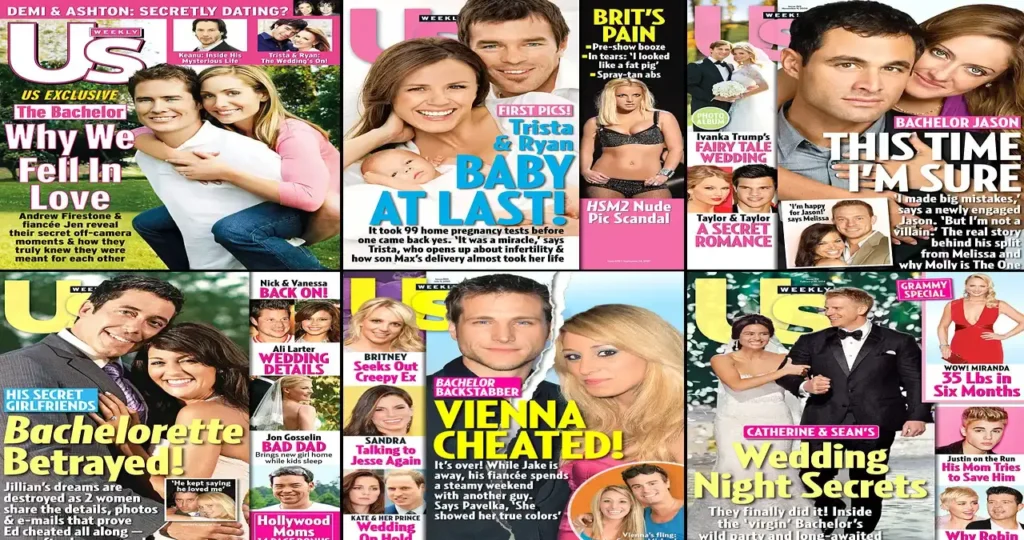
Another critical pillar was the visual feast. Us Weekly prioritized photos above all else. Glorious, full-page red carpet spreads, paparazzi “candids,” and exclusive family photos told stories in a way words alone could not. The “Love Lives” and “Hot Stuff” sections dedicated to celebrity relationships and breakups provided a serialized drama that readers could follow from issue to issue. Furthermore, the magazine excelled at creating proprietary content that couldn’t be found elsewhere, from its iconic cover lines to its first-person “exclusives” often sourced from unnamed “friends” and “insiders.” This blend of visual storytelling, addictive serialization, and a tone of shared conspiracy created a powerful bond with its readership. People didn’t just buy Us Weekly; they looked forward to it, collected it, and discussed it with friends, making it a social artifact as much as a publication.
The Power of the Cover and the Celebrity Symbiosis
No discussion of Us Weekly is complete without analyzing the art and science of its cover. The weekly cover is the magazine’s flagship, its billboard to the world, and a decisive factor in newsstand sales. Us Weekly covers are masterclasses in pop culture communication: a single, striking celebrity image (almost always a close-up smile or a telling candid), surrounded by bold, colorful text boxes promising the biggest stories inside. The language is direct, provocative, and emotionally charged, using words like “SHOCKING,” “HEARTBREAK,” “EXCLUSIVE,” and “BABY JOY!” to trigger immediate curiosity.
The relationship between Us Weekly and the celebrity ecosystem is deeply symbiotic—a complex dance of manipulation and mutual need. For the magazine, A-list stars generate sales and drive content. For celebrities, a Us Weekly cover signals broad public relevance, functioning as a launchpad for projects or image rehabilitation. Publicists often negotiate for cover placement and access, while editors curate narratives to fit audience demands. This partnership blurs the line between news and publicity, benefiting both parties.
The Digital Pivot: Us Weekly in the Internet Age
The rise of the internet and social media posed an existential threat to all print media, and celebrity weeklies were hit especially hard. Why wait seven days for gossip when Twitter, TMZ, and Instagram could deliver it in seconds? Us Weekly faced this challenge head-on, undertaking a significant and necessary digital transformation. The launch of its website, usmagazine.com, became a critical component of its strategy, evolving from a simple online companion to a breaking news hub that operates 24/7.
The digital arm of Us Weekly adapted the magazine’s signature tone and focus for a faster, more interactive platform. It leverages search engine optimization (SEO) to capture traffic on trending celebrity searches, produces vast amounts of daily content (from news bites to galleries and lists), and maintains a strong social media presence across Instagram, Facebook, and TikTok. Here, the “Stars—They’re Just Like Us!” and “Fashion Police” segments found new life as highly shareable social content. The digital team often breaks stories online, which are then developed further for the print edition, creating a content loop. While print circulation has undeniably declined, as it has for all magazines, this aggressive digital pivot has allowed the Us Weekly brand to maintain its visibility and relevance, reaching a global audience far beyond the newsstand and transitioning from a weekly ritual to a daily digital destination.
The Business of Gossip: Revenue Streams and Market Challenges
Sustaining a brand like Us Weekly requires a multifaceted business model that has evolved dramatically. Historically, the twin engines of revenue were newsstand sales and print advertising. A hot cover story could move hundreds of thousands of copies, and advertisers paid a premium to reach the magazine’s devoted, primarily female, and demographically attractive audience. The pages were filled with ads for cosmetics, fashion, pharmaceuticals, and movies, all banking on the magazine’s influential tone.
However, the digital era necessitated a radical shift. As print ad sales dwindled, Us Weekly expanded its digital advertising, incorporating banner ads, sponsored content (native advertising), and video pre-roll. The brand also explored e-commerce through affiliate marketing, where they earn a commission by linking to products (like a dress a star wore) from their style coverage. Subscription models, for both digital and print, offer another revenue stream, though often at discounted rates to maintain audience loyalty. The magazine has also faced intense market challenges, from the decline of physical retail (fewer checkout lines mean fewer impulse buys) to competition from purely digital, often more scandal-driven, outlets. Navigating this landscape has meant constant adaptation, cost-cutting, and a focus on leveraging the brand’s trusted name in a crowded and noisy online space.
Cultural Impact and Criticism: The Double-Edged Sword
The influence of Us Weekly on popular culture is immense and indelible. It played a starring role in creating the 24/7 celebrity news cycle of the 2000s, turning personalities like Britney Spears, Lindsay Lohan, and Brad Pitt & Angelina Jolie into overarching narrative arcs that the public followed for years. The magazine helped democratize fame, shaping how we talk about celebrities—their bodies, relationships, and mistakes—and normalizing the paparazzi industry. Phrases and segments from the magazine entered the common lexicon, and its “just like us” ethos subtly shifted the public’s perception of fame, making it seem simultaneously attainable and endlessly fascinating.
Yet, this impact has not been without significant criticism. Us Weekly has often been at the center of debates about media ethics, privacy invasion, and the destructive nature of fame. Critics argue the magazine’s relentless focus on celebrity weight loss, “baby bump” watches, and relationship turmoil promotes unhealthy standards and contributes to the intense pressure stars face. The publication has faced lawsuits and public backlash over intrusive photography and reporting, particularly during high-profile crises like the mid-2000s struggles of Britney Spears. Furthermore, some accuse it of perpetuating a superficial, consumer-driven culture obsessed with fame for fame’s sake. Us Weekly thus exists as a double-edged sword: a beloved source of entertainment and a frequent target for those concerned about the darker sides of the media machine it so efficiently operates.
Comparing the Celebrity News Landscape
To understand Us Weekly’s unique position, it’s helpful to compare it with its key competitors over the years. The table below highlights the distinctions in tone, focus, and strategy.
| Us Weekly | 1977 (reborn 2000s) | Playful, accessible, visual. Mix of gossip, fashion, & “Just Like Us” relatability. | Master of the friendly, insider voice. Balanced scandal with glossy presentation. | Strong website & social media, adept at translating print features (Fashion Police) to digital. |
| People | 1974 | Authoritative, narrative-driven, broader human interest. “Celebrity as story.” | Positioned as a more reputable, journalistic brand. Covers serious issues alongside entertainment. | Powerful digital presence; PEOPLE.com is a top-tier entertainment news destination with high trust. |
| TMZ | 2005 (Digital-first) | Aggressive, sarcastic, legally-minded. Breaking news & “gotcha” moments. | Built on legal/document savvy. Often breaks major celebrity scandal news first. | Dominant in breaking news via website & TV show. Less feature-driven, more incident-focused. |
| The Daily Mail (Mail Online) | 2004 (Online expansion) | Sensational, voluminous, global. Blend of news, celebrity, & controversial commentary. | Massive output & SEO dominance. “Sidebar of Shame” is infamous for its mix of celeb and viral content. | One of the world’s most-visited news sites. Algorithm-driven content avalanche. |
This landscape shows that Us Weekly carved a middle path—more irreverent and gossip-focused than People, but less caustic and legally aggressive than TMZ. Its brand is built on a sense of fun and familiarity, which has been its greatest strength.
Voices on the Influence of Us Weekly
Industry observers and celebrities themselves have often commented on the power of publications like Us Weekly. Their quotes reveal the complex relationship between the magazine and the culture it covers.
“Us Weekly in the early 2000s wasn’t just reporting on celebrity culture; it was the engine room. It turned personal drama into national folklore and taught a generation how to consume fame.” – Sarah Boyd, Media Critic.
“You’d tell yourself you weren’t affected by it, but seeing a Us Weekly cover at the grocery store… it was a temperature check on your career. For better or worse, it meant you were in the conversation.” – Anonymous Actor, quoted in a Hollywood Reporter retrospective.
These perspectives underscore the magazine’s role as both a chronicler and an active participant in the celebrity industrial complex.
The Future of Us Weekly and Celebrity Journalism
As the media world continues its relentless digital shift, the future of Us Weekly hinges on its ability to innovate while preserving its core brand identity. The print magazine, although diminished from itsheyday on newsstands, still serves a loyal subscriber base and offers a curated, tactile experience in a digital world. However, the undeniable focus is on digital growth, video content, podcasting, and deeper audience engagement through social media platforms like Instagram and TikTok, where visual celebrity contentis particularly thriving.s.
The brand will likely continue to leverage its trusted name—a recognizable entity in a sea of anonymous gossip blogs—to expand into new areas. This could include more integrated e-commerce, exclusive documentary-style video series, or premium subscription offerings with deeper access. The challenge will be maintaining its distinctive voice and loyal community while competing with the infinite scroll of free content online. The essence of Us Weekly—the fun, the fashion, the fascination with the human stories behind the fame—remains a potent draw. Its future success depends on packaging that essence for the next generation of consumers, proving that even in the age of TikTok and Twitter, there is still value in a brand that knows how to tell a compelling celebrity story with a wink and a smile.
Conclusion
From its rocky beginnings to its zenith as a defining pop culture force and through its ongoing adaptation to the digital age, Us Weekly has demonstrated a remarkable resilience. It is more than a magazine; it is a cultural artifact that captured and shaped a specific era of fame, teaching us how to look at, judge, and relish the lives of celebrities. By perfecting a formula of relatable gossip, dazzling visuals, and an irresistibly casual tone, it built an empire that thrived on the public’s insatiable curiosity. While the media landscape has fractured and changed beyond recognition since its heyday, the Us Weekly brand endures. Its journey reflects the broader story of media itself: the turbulent, challenging, and endless pursuit of relevance in the face of changing tastes and technologies. Whether in print or on a screen, Us Weekly continues to ask, and answer, the questions at the heart of celebrity culture: What are they wearing? Who are they loving? And, most compellingly, how are they just like us?
Frequently Asked Questions (FAQs)
What is the main focus of Us Weekly magazine?
The main focus of Us Weekly is celebrity news, entertainment, and lifestyle. It covers breaking news about stars, their relationships, family lives, and career moves. The magazine is renowned for specific features like “Stars—They’re Just Like Us!” paparazzi photos, in-depth fashion analysis on red carpets and everyday looks, and exclusive interviews. The tone is engaging and conversational, designed to feel like you’re getting the latest gossip from a well-informed friend.
How often is Us Weekly published, and how can I read it?
Us Weekly is published on a weekly basis, typically landing on newsstands and in subscribers’ mailboxes every Friday. You can read it through a traditional print subscription, by purchasing single issues at retailers, or digitally. The digital content is constant, with the website, usmagazine.com, and its associated social media channels (Instagram, Facebook, TikTok) updating throughout the day with breaking news, photo galleries, and stories that often differ from or preview the print edition’s content.
How has Us Weekly adapted to the rise of the internet and social media?
Us Weekly has aggressively adapted to the digital age by transforming its website into a major breaking news hub and cultivating a massive social media presence. The brand takes its signature content, like “Fashion Police” judgments and “Just Like Us” moments, and optimizes them for shares on platforms like Instagram. It uses search engine optimization (SEO) to attract readers searching for celebrity news online and often breaks stories digitally first. This pivot allows the Us Weekly brand to compete in a 24/7 news cycle while maintaining the voice and style that made its print version famous.
What makes Us Weekly different from other celebrity news outlets like People or TMZ?
Us Weekly occupies a distinct middle ground in the celebrity news landscape. Compared to People, it is generally more gossip-driven, visually focused, and uses a more playful, less formal tone. Compared to TMZ, which is known for its aggressive, legally-savvy breaking news and sarcastic edge, Us Weekly maintains a glossier, more “friendly” approach, even when covering scandals. Its unique blend of candid photos, fashion coverage, and relatable storytelling creates a specific niche that feels more like entertainment and less like hard-hitting news or confrontational exposure.
Is the content in Us Weekly considered reliable?
The reliability of Us Weekly content exists on a spectrum. The magazine has a long history and professional editorial staff, and its reporting on official announcements (like movie roles, births, or marriages) is generally accurate. However, much of its content, particularly about private celebrity relationships or unconfirmed rumors, relies heavily on unnamed “insiders,” “friends,” and “sources.” These stories can be speculative. Readers typically approach Us Weekly as a source of entertainment and trending celebrity narratives rather than as hard, vetted journalism, understanding that some stories may be based on tips from publicists or unverified sources.