

Multi Platform Content Delivery fragmented digital landscape, your audience is everywhere at once. They’re scrolling through TikTok on their phone during breakfast, listening to a podcast on their commute, reading in-depth articles on a laptop at work, and winding down with a streaming service on their smart TV at night. If your content is stuck in one place, you’re not just missing opportunities—you’re becoming invisible. This is where the strategic powerhouse of Multi Platform Content Delivery comes in. It’s the art and science of strategically distributing your content across multiple channels and formats to meet your audience where they are, in the way they prefer.
Gone are the days of a one-size-fits-all website blog post being your entire content universe. Multi-platform content delivery is not merely cross-posting the same thing everywhere. It’s a sophisticated, adaptive approach that considers the unique language, norms, and consumption habits of each platform while maintaining a cohesive core message. It’s about creating a unified brand experience that feels native and valuable, whether a user encounters you on Instagram, in a newsletter, or through a voice assistant. This guide will dive deep into why this approach is non-negotiable, how to build a robust system for it, the tools that make it possible, and the future trends that will define its evolution. We’ll move beyond theory into actionable strategies for crafting a multi platform content delivery framework that drives growth, fosters loyalty, and dominates your digital presence.
Understanding the Core of Multi Platform Content Delivery
At its heart, multi platform content delivery is about fragmentation and unification. The fragmentation is on the audience side: their attention is split across a dizzying array of devices, apps, and platforms. The unification must come from your strategy. You must pull together these disparate touchpoints into a coherent journey. This fundamental shift moves you from being a publisher on a single platform to becoming a broadcaster across an entire network you own and influence.
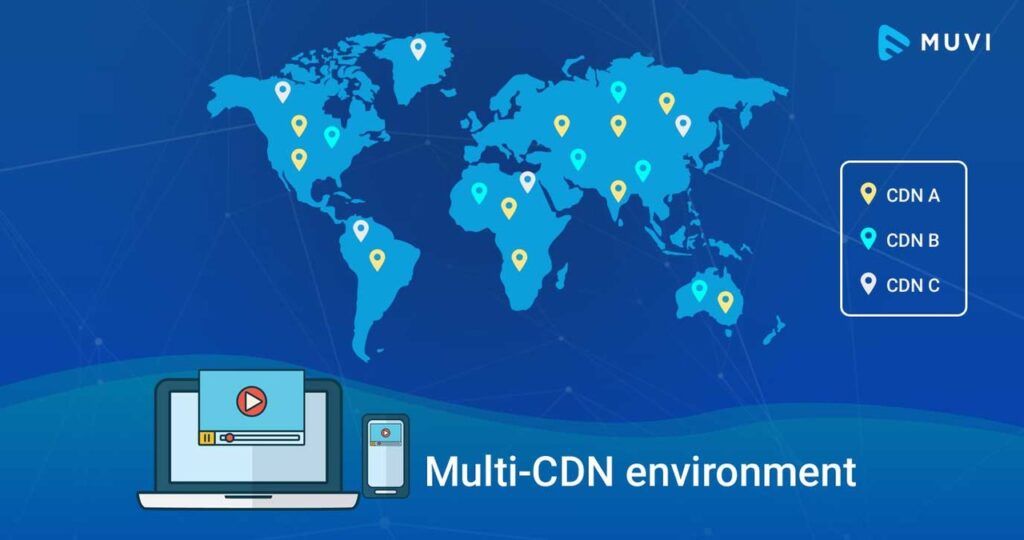
This approach is built on several key pillars. First is adaptability. Your core idea or story must be fluid enough to be reshaped into a 15-second video, a detailed guide, an infographic, and an audio clip without losing its essence. Second is consistency. While the format changes, your brand voice, core message, and values must remain recognizable. Third is intentionality. Each piece of distributed content must serve a specific purpose on its chosen platform, whether that’s driving awareness, fostering community, generating leads, or supporting sales. Without this strategic intent, multi platform content delivery devolves into chaotic, ineffective noise.
Why a Multi Platform Strategy is No Longer Optional
The argument for a single-Multi Platform Content Delivery focus has completely collapsed. Consider the sheer volume of content every person encounters daily; to break through that noise, you need multiple points of contact. Relying solely on one channel—be it organic Facebook reach, which has plummeted, or even a wildly popular podcast—puts your entire content operation at risk. Algorithm changes, platform policy shifts, or simply a change in user taste can decimate your audience overnight. A multi platform content delivery strategy acts as a risk mitigation plan, ensuring your audience can find and follow you even if one channel underperforms or disappears.
Furthermore, this strategy dramatically amplifies your content’s reach and reinforces your message. Psychological studies on the “mere-exposure effect” show that people develop a preference for things merely because they are familiar with them. When a potential customer sees a snippet of your expertise on LinkedIn, then hears a related tip on your podcast, and later receives a detailed guide via email, your brand becomes familiar and authoritative. This repeated, value-driven exposure across platforms shortens the path to trust and conversion. It’s no longer about a single call-to-action; it’s about cultivating a relationship through layered, multi platform content delivery.
Building Your Multi Platform Content Delivery Framework
Jumping into publishing on every new platform that emerges is a recipe for burnout and ineffectiveness. A successful multi platform content delivery system requires a solid, repeatable framework. This starts with deep audience research. You must map out not just who your audience is, but where they spend their digital time, what format they prefer in each context, and why they use each platform. A B2B professional might use LinkedIn for industry news, Twitter for real-time updates, and specific forums for deep technical help. Your content delivery must mirror this journey.
The next step is content atomization. Think of your core, hero piece of content—perhaps a major research report or a flagship video—as a “content nucleus.” Your multi platform content delivery strategy involves breaking that nucleus into its atomic parts. A single whitepaper can yield: a series of blog posts summarizing key findings, an infographic for Pinterest and LinkedIn, quote graphics for Instagram and Twitter, a webinar diving into the data, key takeaways for a newsletter, and soundbites for a podcast episode. This approach maximizes the ROI of your core content creation effort and ensures your message is tailored for each environment in the ecosystem.
Essential Tools and Technologies for Seamless Delivery
Managing multi platform content delivery manually is a Herculean task. Thankfully, a suite of tools exists to orchestrate this complex process. Content Management Systems (CMS) like WordPress or headless CMS platforms are the foundation, acting as the single source of truth for your core content. Social media management tools like Hootsuite, Buffer, or Sprout Social allow you to schedule, publish, and monitor engagement across multiple social channels from a single dashboard, ensuring consistent timing and messaging.
For deeper workflow and team collaboration, project management Multi Platform Content Delivery like Trello, Asana, or Monday.com are crucial for mapping out the atomization and distribution pipeline. Analytics and monitoring tools like Google Analytics, platform-native insights, and cross-channel dashboards are the nervous system of your operation. They tell you not just what’s being seen, but how content performance on one platform (like a viral TikTok) drives traffic to another (like your website). Investing in the right tech stack is what transforms a good multi platform content delivery strategy from an idea into an executable, scalable system.
Crafting Multi Platform Content Delivery Content That Resonates
This is where the rubber meets the road in multi platform content delivery. Effective distribution isn’t repurposing; it’s reimagining. Each platform has its own culture, format constraints, and user expectations. A direct, text-heavy copy that works on LinkedIn will fail on Instagram. The key is to master the native language of each channel while anchoring everything to your core narrative. For instance, your data-driven blog post becomes a vibrant, simplified carousel post on Instagram, a thoughtful commentary thread on Twitter, and a behind-the-scenes “how we found this data” story on TikTok.
Visual platforms like Instagram, TikTok, and Pinterest demand high-quality, engaging visuals or short-form video. Professional networks like LinkedIn value insights, long-form articles, and professional achievement. Podcasts and audiobooks cater to the growing audience seeking hands-free, immersive content. Email newsletters offer a direct, personal line to your most engaged followers. A sophisticated multi platform content delivery strategy recognizes these differences and allocates resources to create platform-optimized assets, even when they originate from the same core idea. It’s about speaking the local dialect in every digital territory you occupy.
Measuring Success and Optimizing Your Strategy
Without measurement, your multi platform content delivery is a shot in the dark. Success metrics must be as multifaceted as the strategy itself. Vanity metrics like likes and follows are only part of the picture. You need to track cross-platform engagement rates, audience growth per channel, conversion attribution (e.g., did a YouTube viewer later sign up via your website?), and, most importantly, the overall content ROI. Tools like UTM parameters and dedicated landing pages can help trace the customer journey across platforms.
Regular analysis is crucial. You should be asking: Which platform is driving the most qualified traffic? Which format yields the highest engagement for a given topic? Is our multi platform content delivery creating a cohesive funnel, or are platforms operating in silos? Use this data to optimize relentlessly. Double down on what works. For example, if your Twitter threads consistently drive newsletter sign-ups, invest more in that format. If long-form YouTube videos have low watch time but high conversion, perhaps they’re effectively serving a niche, high-intent audience. Let the data guide your resource allocation and creative decisions in an ongoing cycle of improvement.
The Future of Multi Platform Content Delivery
The landscape of multi platform content delivery is not static; it’s accelerating. Emerging technologies are set to redefine how we create, distribute, and consume content across platforms. The rise of artificial intelligence is already aiding in content ideation, basic copywriting, and even format adaptation (turning a blog post into a script outline, for example). AI-powered personalization will take multi-platform content delivery to a new level, dynamically serving different content variations to different audience segments based on their behavior across platforms.
Furthermore, the growth of voice search and smart speakers creates a new, audio-first platform that must be integrated into your strategy. The concepts of the metaverse and Web3 hint at future platforms built on immersive and decentralized experiences. The core principle of multi platform content delivery—meeting your audience where they are with relevant, valuable content—will remain, but the “Multi Platform Content Delivery” will evolve. The brands that succeed will be those agile enough to test new channels, adapt their core narratives to novel formats, and maintain a unified voice across an ever-expanding digital universe. Staying ahead means viewing your strategy as a living system, not a fixed plan.
Overcoming Common Challenges and Pitfalls
Despite its clear advantages, executing a flawless multi platform content delivery strategy is fraught with challenges. One of the biggest is resource drain. Creating quality content for multiple platforms can strain time, budget, and creative energy. The solution lies in the atomization framework and repurposing rhythm mentioned earlier, not in creating 100% original content for each channel from scratch. Another major pitfall is brand inconsistency. When different team members handle different platforms without strong guidelines, the brand voice can splinter. A comprehensive content style guide and regular cross-team communication are essential antidotes.
Analysis paralysis is another common hurdle. With data flowing in from so many sources, it’s easy to get overwhelmed. Focus on a few key performance indicators (KPIs) aligned with your primary business goals for each platform, rather than trying to track everything. Finally, there’s the challenge of platform dependency. While the goal is to leverage platforms, the ultimate aim of any multi platform content delivery strategy should be to drive audiences to owned assets like your website, app, or email list. This ensures you have a direct relationship with your audience, independent of any single platform’s rules or algorithms.
Key Considerations for a Sustainable Strategy
Building a multi platform content delivery engine that lasts requires forethought. First, consider scalability. Can your processes handle twice the content volume or two new platforms? Designing workflows with scalability in mind from the start prevents future growing pains. Second, think about team structure. Will you have platform-dedicated experts or content creators who work across channels? There’s no right answer, but the structure must facilitate collaboration and knowledge sharing about what’s working where.
Third, always balance innovation with consolidation. The temptation to chase the “next big thing” is constant, but it’s often wiser to master a few key platforms that align perfectly with your audience before expanding. A scattered presence on ten platforms is less effective than a dominant presence on three. Your multi platform content delivery plan should include regular “pruning” sessions to evaluate if a platform is still serving your goals. Sustainability is about working smarter, not just harder, ensuring your content engine can run for the long haul without burning out your team or diluting your brand.
Comparison of Major Content Multi Platform Content Delivery
| Visual (Images, Reels, Stories) | Inspiration, Connection, Discovery | Behind-the-scenes, Aesthetic visuals, Short-form tutorial videos, User-Generated Content | Engagement Rate, Saves, Shares | |
| Professional Text & Video | Networking, Learning, Industry News | Thought leadership articles, Company news, Case studies, Professional interviews | Click-Through Rate, Comments, Lead Gen Form Completions | |
| TikTok | Short-Form Vertical Video | Entertainment, Trend Participation, Casual Learning | Viral trends, Quick tips, Authentic storytelling, Humorous sketches | Video Completion Rate, Shares, Follower Growth |
| Email Newsletter | Long-Form Text & Curated Links | Deep Dive, Loyalty, Direct Updates | Exclusive insights, Curated lists, In-depth analysis, Personalized offers | Open Rate, Click Rate, Conversion Rate |
| Podcast | Audio | Learning, Entertainment, Multi-tasking | Interviews, Narrative storytelling, Educational deep-dives, Industry discussions | Downloads, Average Listen Duration, Listener Loyalty |
Insights from Industry Leaders
The importance of a strategic approach is echoed by experts. As marketing strategist Andrew Davis once noted, “Content builds relationships. Relationships are built on trust. Trust drives revenue.” This quote perfectly encapsulates the goal of multi platform content delivery—it’s not about immediate sales on every post, but about building that trust through consistent, valuable presence across the digital touchpoints of your audience’s daily life.
Similarly, entrepreneur Gary Vaynerchuk, a pioneer in multi-platform execution, emphasizes adaptation: “The best marketing strategy ever: CARE. The tactics are always changing, but caring about your audience never goes out of style.” His point is critical. Your multi platform content delivery tactics—the specific video format or hashtag strategy—will constantly evolve with the platforms. But the core principle of understanding and caring for your audience’s needs on each platform must remain the unwavering foundation of everything you do.
Conclusion
Mastering multi platform content delivery is the definitive competitive edge in the modern content landscape. It’s a complex but rewarding discipline that moves you from being a passive publisher to an active broadcaster across the digital ecosystem. By understanding your audience’s journey, atomizing your core content, leveraging the right tools, speaking each platform’s native language, and relentlessly measuring results, you build a resilient, scalable system for growth. This approach mitigates risk, maximizes reach, reinforces messaging, and ultimately drives meaningful business results by meeting your audience exactly where they are, with what they need. The future will bring new platforms and technologies, but the brands that thrive will be those that have embedded agile, audience-centric multi platform content delivery into their very DNA. Start by auditing your current presence, choosing one new platform to test your adapted content, and begin building your unified, multi-channel world today.
Frequently Asked Questions
What is the main difference between multi platform content delivery and simply posting the same thing everywhere?
The core difference is adaptation versus duplication. Simply cross-posting identical content is inefficient and often poorly received, as it ignores the unique culture and format of each platform. True multi platform content delivery involves strategically adapting the core message and assets of a piece of content to fit the native language, optimal format, and user expectations of each specific channel. A blog post becomes a thread on Twitter, a video summary on YouTube, and a graphic quote on Instagram—all conveying the same key point but in fundamentally different, platform-optimized ways.
How do I choose which platforms to focus on for my multi-platform strategy?
Choosing platforms starts with your audience, not trends. Conduct research to definitively identify where your target audience spends their time and how they use each platform. Then, audit your own resources. Be realistic about your team’s capacity for creating quality content for each platform’s preferred format. It’s far better to excel on two or three platforms that perfectly align with your audience and capabilities than to be mediocre on six. Your choice should balance audience presence, strategic fit for your content type, and resource availability to ensure a sustainable multi-platform content delivery system.
Doesn’t creating content for multiple platforms require a huge team and budget?
Not necessarily. While large teams can scale faster, the principle of content atomization is the great equalizer. A small team can start with one substantial, high-quality “hero” piece of content (e.g., a webinar, research report, or long-form video). From that single asset, you can systematically extract dozens of smaller pieces—clips, quotes, statistics, summaries, graphics—tailored for different platforms. This approach maximizes the ROI of your initial effort. Many tools also automate scheduling and publishing. Effective multi-platform content delivery is more about smart process and repurposing than merely throwing more money and people at the problem.
How do I maintain a consistent brand voice across so many different channels?
A comprehensive, documented brand and content style guide is non-negotiable. This guide should define your brand’s mission, values, tone of voice (e.g., professional, friendly, witty), and visual identity (colors, fonts, imagery style). Every team member involved in multi-platform content delivery must use this guide as their bible. Regular cross-platform content audits and calibration meetings can also help ensure consistency. The goal is for your audience to recognize your brand’s “personality” instantly, whether they’re reading your email newsletter or watching your Instagram Reel, even though the format is completely different.
How can I measure the true ROI of my multi platform content delivery efforts?
Measuring ROI requires looking beyond platform-specific vanity metrics and focusing on cross-channel conversion journeys. Use analytics to track how users move from platform to platform. For example, set up UTM parameters to see how much website traffic converts from your LinkedIn posts versus your YouTube videos. Use email list sign-ups, gated content downloads, or direct sales as your primary conversion goals. Then, analyze which platforms and content formats are the most effective at driving those valuable actions. The true ROI of multi platform content delivery is revealed in its ability to move audiences through your funnel, not just in isolated engagement stats on a single platform.