

There is a certain Alternatives associated with the glass bottle of aqua blue liquid sitting on the bathroom counter. For generations, splashing on aftershave has been the ceremonial finale to the morning shave. It promised to disinfect, tighten pores, and leave you smelling like you just stepped off a yacht. The only problem? It often feels less like a skincare step and more like an act of self-inflicted arson. That sharp, alcohol-induced sting might signal “clean” in a traditional sense, but for many modern shavers, it signals something else entirely: inflammation, dryness, and premature aging.
The good news is that the world of post-shave care has undergone significant evolution. You no longer have to choose between smelling good and treating your skin with respect. Whether you have sensitive skin, prefer natural ingredients, or simply want a product that hydrates rather than strips, countless aftershave alternatives outperform the original in almost every category. This guide explores those options in depth, helping you find the perfect match for your routine without the regret.
Why Traditional Alternatives Doesn’t Always Work
To understand why so many men are seeking aftershave alternatives, it helps to look at what is actually inside that classic bottle. The primary offender is denatured alcohol, sometimes listed as SD alcohol or simply “alcohol denat.” In high concentrations, alcohol provides an antiseptic effect and creates that instant cooling sensation as it evaporates. However, that cooling comes at a cost. Alcohol strips the skin of its natural protective oils, disrupts the moisture barrier, and causes microscopic tearing in freshly shaved tissue.
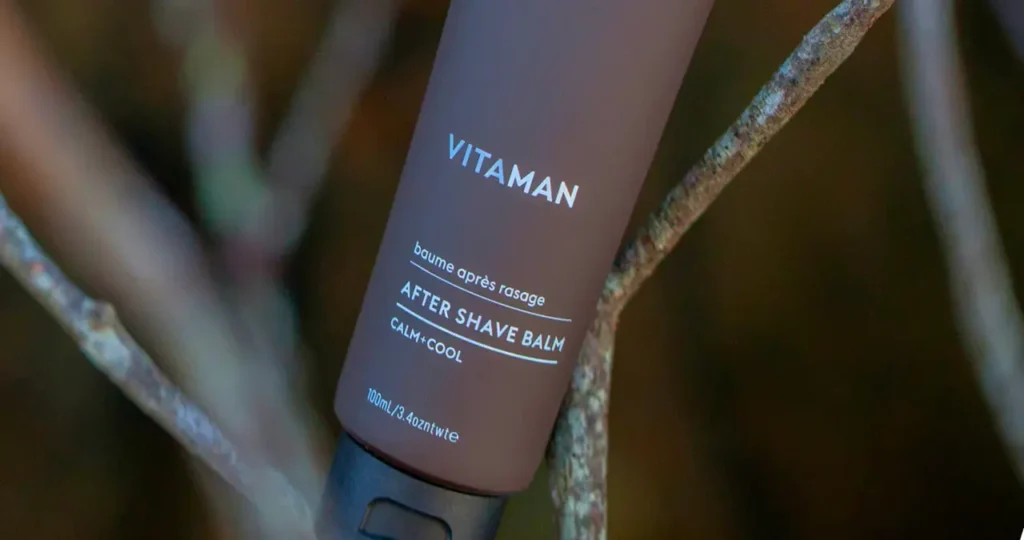
Beyond the burn, traditional aftershaves often rely heavily on synthetic fragrances. While they smell pleasant in the bottle, these fragrances can irritate skin that is already compromised by a razor. For men with conditions like rosacea, eczema, or general sensitivity, these products are less of a luxury and more of a hazard.
The shift toward aftershave alternatives is not just a trend; it is a logical response to better dermatological understanding. We now know that post-shave skin requires hydration, soothing anti-inflammatories, and barrier repair. The classic splash-and-sting method delivers none of these things. Fortunately, the market has responded with products that are both functional and fragrant.
The Rise of Alcohol-Free Post-Shave Balms
If you are looking for the most direct swap for your old Alternatives, an alcohol-free post-shave balm is the logical first stop. These products are designed to mimic the soothing intention of aftershave without the destructive ingredients. Instead of alcohol, they rely on humectants like glycerin, aloe vera, and hyaluronic acid to draw moisture back into the skin.
Post-shave balms are typically thicker in consistency than traditional splashes. They absorb within a minute or two and leave the skin feeling supple rather than tight. Many balms also include ingredients like allantoin, chamomile, and vitamin B5 to actively calm razor irritation. This makes them an ideal aftershave Alternatives for anyone who shaves daily and cannot afford to spend the rest of the day with angry red skin.
One of the biggest advantages of balms is their versatility. They work for all skin types, but are especially beneficial for those with dryness or sensitivity. In recent years, even classic barbershop brands have released alcohol-free versions of their iconic scents, allowing men to maintain their signature fragrance profile while upgrading the skincare aspect.
Hydrating Alternatives Lotions for Daily Comfort
For men who prefer a lighter texture than a balm but still want to avoid alcohol, Alternatives lotions provide an excellent middle ground. These are thinner than balms and often come in pump bottles or squeeze tubes. They spread easily across the face and neck and absorb almost instantly, making them a practical choice for morning routines when time is limited.
What sets a quality Alternatives lotion apart from a standard face lotion is the inclusion of targeted soothing agents. Ingredients like oat kernel extract, bisabolol, and green tea polyphenols are commonly found in these formulations. They reduce redness while reinforcing the skin’s natural defenses. Unlike traditional aftershave, which closes the pores through irritation, these lotions work gently to normalize the skin surface.
Many lotions also offer broad-spectrum SPF protection. This is a significant advantage because freshly shaved skin is particularly vulnerable to UV damage. Using a lotion with SPF as your aftershave alternatives addresses two needs at once: post-shave recovery and daily sun protection. It is a small adjustment that pays long-term dividends in skin health.
The Soothing Power of Alftershaves Oils
Oil-based products have experienced a renaissance in men’s grooming, and for good reason. Aftershave oils are perhaps the most effective aftershave alternatives for combating the tight, stripped feeling that follows a shave. Oil mimics the skin’s natural sebum, helping to restore balance rather than forcing the skin to overcompensate by producing even more oil.
High-quality Alternatives oils typically feature a blend of carrier oils such as jojoba, grapeseed, or sweet almond, infused with essential oils for fragrance. Jojoba oil is particularly noteworthy because its molecular structure closely resembles human sebum, allowing it to penetrate deeply without clogging pores. Argan oil, rich in vitamin E and fatty acids, is another common ingredient that supports skin regeneration.
Some men hesitate to try oils because they worry about looking greasy. However, a few drops of a well-formulated Alternatives oil absorb remarkably well when applied to damp skin. The result is a natural, healthy glow rather than a slick shine. For those who enjoy the ritual aspect of shaving, oil also provides an opportunity for a brief facial massage, which stimulates circulation and promotes lymphatic drainage.
Natural and Organic Alternatives Straight from Nature
The clean beauty movement has not bypassed the shaving world. In fact, some of the most effective aftershave alternatives come directly from nature with minimal processing. These options appeal to men who prefer transparency in their ingredient lists and want to avoid synthetic preservatives and dyes.
Aloe vera gel is a classic standby. Straight from the plant or in a pure, cold-pressed gel, aloe provides immediate cooling and accelerates wound healing. It is naturally anti-inflammatory and non-comedogenic. While unscented aloe lacks the fragrance profile of traditional Alternatives, it serves as an excellent base for adding a drop of your favorite essential oil.
Witch hazel is another botanical powerhouse. Unlike alcohol, which aggressively strips the skin, witch hazel is a gentle astringent that tightens pores without causing dehydration. It is important to choose a witch hazel distillate that is alcohol-free, as many drugstore versions contain significant amounts of added alcohol. Paired with rose water or lavender hydrosol, witch hazel becomes a soothing, fragrant splash that rivals any commercial Alternatives.
Shea butter, typically associated with body moisturizing, is also a remarkable post-shave treatment for those with very dry or irritated skin. It is rich in vitamins A and E and provides a protective barrier against environmental aggressors. While too heavy for daytime use in warm climates, it works wonderfully as an overnight treatment.
Multitasking Face Moisturizers as Daily Substitutes
Not every shave requires a dedicated post-shave product. For men with relatively resilient skin and a solid skincare routine, a high-quality face moisturizer can serve as a perfectly adequate Alternatives. The key is choosing a moisturizer formulated with soothing ingredients rather than aggressive exfoliants or active acids.
Look for moisturizers that contain ceramides, niacinamide, or squalane. Ceramides rebuild the lipid barrier that razors inevitably disrupt. Niacinamide reduces redness and regulates oil production. Squalane, derived from olives or sugarcane, hydrates without heaviness. When applied immediately after shaving, these moisturizers perform the same function as dedicated aftershave products—often with superior ingredient profiles.
The one caveat is fragrance. Some face moisturizers, particularly those marketed toward men, still rely heavily on synthetic fragrance blends that can irritate freshly shaved skin. If you choose this route, opt for fragrance-free or naturally scented formulations. Your skin will absorb the benefits more efficiently without the distraction of artificial perfumes.
The Barber’s Secret: Alum Blocks and Styptic Pencils
While not a replacement for moisturizing, alum blocks deserve mention in any discussion of aftershave alternatives. An alum block is a crystallized mineral salt, typically potassium alum, that has been used by barbers for centuries. When wet and rubbed across the face, it acts as a powerful antiseptic and astringent.
Alum does not burn in the same way alcohol does, though it may produce a slight tingling sensation on nicked skin. It effectively stops minor bleeding and tightens the skin temporarily. Many men use alum as an intermediate step—applying it immediately after shaving, rinsing it off after thirty seconds, and then following with a balm or oil. This two-step approach provides the antiseptic benefits of traditional aftershave without the harsh drying effects.
It is worth noting that alum blocks are virtually unscented, making them ideal for men who are sensitive to fragrances or who prefer to wear a separate cologne without clashing scents. A single block lasts for years, making it one of the most economical options available.
Fragrance-Free Options for Ultra-Sensitive Skin
For a significant subset of men, fragrance itself is the enemy. Even natural essential oils can trigger reactions in highly reactive skin. Fortunately, the market for fragrance-free aftershave alternatives has expanded considerably, driven by broader awareness of conditions like contact dermatitis and perioral dermatitis.
Fragrance-free balms and gels often rely on thermal spring water, colloidal oatmeal, and zinc to calm the skin. These ingredients have documented efficacy in reducing inflammation and supporting the skin microbiome. La Roche-Posay and Avene, traditionally known for sensitive skincare, offer products that work beautifully as post-shave treatments despite not being marketed specifically for shaving.
The psychological barrier here is often the perception that fragrance equals cleanliness. In reality, unscented does not mean unappealing. After a few weeks of using properly formulated fragrance-free products, many men find they prefer the clean, neutral sensation over artificially scented skin.
Asian Beauty Influences in Post-Shave Care
The Asian beauty market, particularly Korean and Japanese skincare, has introduced Western men to radically different approaches to post-shave care. Many of these innovations serve as exceptional aftershave alternatives due to their emphasis on hydration and barrier repair.
Essences and first treatment serums, which are typically applied immediately after cleansing, are surprisingly effective on freshly shaved skin. They are packed with fermented ingredients, amino acids, and humectants at a watery consistency that penetrates instantly. Snail mucin, a staple in Korean skincare, is rich in glycoproteins and hyaluronic acid and has demonstrated remarkable wound-healing properties.
Sheet masks, while not practical for daily use, provide intensive recovery for evenings when the shave was particularly aggressive. Soaked in concentrated serums, they cool inflammation and flood the skin with moisture. Even the most skeptical traditionalists tend to convert after experiencing the relief a sheet mask provides on sunburned or over-shaving days.
DIY Aftershere Blends for the Customization Enthusiast
There is a special satisfaction in creating your own grooming products. DIY aftershave alternatives allow complete control over ingredients, fragrance intensity, and texture. They also eliminate the risk of hidden preservatives or undisclosed fragrance components.
A simple starter recipe combines equal parts witch hazel distillate and rose water in a glass bottle, with a teaspoon of vegetable glycerin added for moisture retention. This mixture splashes onto the skin similarly to traditional aftershave but leaves it soft rather than tacky. For fragrance, a few drops of lavender, sandalwood, or cedarwood essential oil can be added. Citrus oils should be used cautiously, as they can cause photosensitivity.
For a balm-style DIY, shea butter and coconut oil can be whipped together with a touch of arrowroot powder to reduce greasiness. This mixture solidifies at room temperature but melts on contact with skin. It is particularly soothing in cold, dry climates and doubles as a beard balm for men with facial hair.
Understanding Your Skin Type to Choose Wisely
Not every aftershave alternative works equally well for every man. Skin type plays a decisive role in which product will deliver the best results. Oily skin, for instance, benefits from gel-based or water-based products that provide hydration without adding excess oil. Aloe vera gel or a lightweight hyaluronic acid serum are ideal choices.
Dry skin requires richer emollients. Balms containing shea butter, lanolin, or squalane are better equipped to repair the moisture barrier. Men with combination skin may prefer to use different products on different areas of the face, or layer a lightweight lotion over a hydrating serum.
Sensitive skin demands the shortest ingredient lists. Fragrance-free, alcohol-free, and dye-free products are non-negotiable. Patch testing any new product on the inner arm before applying it to the face is always recommended. What works for one person with sensitive skin may still irritate another.
Comparison Table: Top Aftershave Alternatives at a Glance
| Alcohol-Free Balm | Dry, irritated skin | Aloe, glycerin, allantoin | Creamy, medium weight | Light to moderate |
| Aftershave Oil | Tightness, flaking | Jojoba, argan, vitamin E | Silky, fast absorbing | Natural essential oils |
| Aftershave Lotion | Daily use, normal skin | Oat extract, bisabolol | Thin, watery | Varies widely |
| Alum Block | Nicks, antiseptic | Potassium alum | Solid crystal | Unscented |
| Witch Hazel | Oily, acne-prone | Hamamelis virginiana | Liquid | Herbal, mild |
| Face Moisturizer | Multitasking | Ceramides, niacinamide | Lotion to cream | Often fragrance-free |
Expert Quotes on Modern Post-Shave Care
“The idea that you need to ‘man up’ and tolerate the sting of alcohol aftershave is outdated. We have decades of research showing that inflammation accelerates aging. Treating your skin gently after a shave isn’t pampering—it’s preservation.”
— Dr. Amelia Cross, board-certified dermatologist
“I tell my clients that the shave isn’t finished when the last lather is rinsed. It’s finished when the skin is protected. A good aftershave alternative should feel like a drink of water for your face, not a slap in the face.”
— Marcus Velez, master barber and grooming educator
“Fragrance is personal. Some men want to smell like a specific brand, and that’s fine. But you can now get those exact scents in alcohol-free formulations. There is no sacrifice involved anymore.”
— Daniel Kim, fragrance chemist
“Natural ingredients often outperform synthetics for post-shave care because they contain complex molecular structures that work synergistically. You can’t replicate the anti-inflammatory profile of chamomile or calendula in a lab.”
— Elena Torres, herbalist and formulator
“The rise of unisex and gender-neutral skincare has been a gift to men’s grooming. It has normalized the idea that everyone needs hydration and soothing ingredients, regardless of how they identify.”
— James Park, skincare brand founder
Frequently Asked Questions
What is the best aftershave alternative for sensitive skin?
For sensitive skin, the best aftershave alternative is a fragrance-free, alcohol-free balm or gel containing colloidal oatmeal or allantoin. These ingredients actively calm inflammation without triggering reactions. Alternatively, pure aloe vera gel is a reliable, inexpensive option with minimal risk. Always patch test before full application.
Can I use coconut oil as an aftershave alternative?
Coconut oil can be used as an aftershave alternative, but with caution. It is highly moisturizing and has mild antimicrobial properties. However, it is comedogenic for some individuals, meaning it may clog pores and cause breakouts. If you are prone to acne, opt for non-comedogenic oils like jojoba or grapeseed instead.
Do aftershave alternatives smell as good as traditional aftershave?
Yes, many aftershave alternatives offer sophisticated fragrance profiles without synthetic irritants. Niche grooming brands have developed alcohol-free formulations that replicate or even surpass the complexity of traditional cologne-inspired aftershaves. You can also customize unscented bases with your preferred essential oils.
Is witch hazel a good substitute for alcohol aftershave?
Alcohol-free witch hazel is an excellent aftershave alternative. It tightens pores and reduces inflammation without stripping the skin. Be sure to select a distillate version rather than drugstore witch hazel, which often contains added alcohol. Combining witch hazel with rose water enhances its soothing properties.
How do I apply aftershave alternatives correctly?
Application methods vary by product type. Balms and lotions should be massaged gently into damp skin using upward strokes. Oils work best when applied to slightly wet skin to seal in moisture. Alum blocks require wetting the block and gliding it over the face, then rinsing after thirty seconds. Avoid rubbing aggressively, as freshly shaved skin is vulnerable to friction damage.
Can I skip aftershave altogether?
Skipping aftershave is acceptable if you immediately apply a quality moisturizer or sunscreen. The skin needs hydration and protection after shaving, but the product does not need to be labeled specifically as aftershave. The goal is to restore the moisture barrier and reduce inflammation; any product that accomplishes this works as an aftershave alternative.
Are there budget-friendly aftershave alternatives?
Many budget-friendly aftershave alternatives exist. Drugstore aloe vera gels, generic witch hazel, and simple fragrance-free moisturizers often cost less than designer aftershaves. Alum blocks are extremely economical, often lasting over a year. You do not need to spend premium prices for effective post-shave care.
Conclusion
The ritual of shaving has evolved, and your post-shave routine should evolve with it. Traditional alcohol-based aftershave, while nostalgic, is objectively inferior to the modern aftershave alternatives available today. Whether you prefer the silky glide of a botanical oil, the instant cool of an aloe gel, or the protective comfort of a ceramide-rich balm, there is an option that respects both your skin and your senses.
Making the switch does not require abandoning the tradition of post-shave care. It simply means upgrading it. Your skin will look calmer, feel smoother, and age more gracefully. The burn may be gone, but the freshness—the real freshness of healthy, hydrated skin—remains. And that is an improvement worth making.