

Your profile picture is your digital handshake, the first pixelated impression you offer to the emo PFP world of the internet. In a sea of selfies and generic avatars, an emo PFP stands out as a deliberate statement—a beacon of alternative identity, raw emotion, and subcultural belonging. More than just a picture, an emo PFP is a curated artifact, a tiny window into a soul that resonates with the melancholic melodies, poetic introspection, and distinct aesthetics of emo culture. This long-form exploration will delve deep into the history, meaning, and creation of the emo PFP, tracing its journey from early internet forums to its modern renaissance on platforms like TikTok and Discord. We’ll unpack the visual language, provide practical guides, and examine why this small square of digital real estate holds such profound significance for millions.
The term emo pfp itself is a compact fusion of “emo,” shorthand for emotional hardcore or the broader alternative subculture, and “pfp,” internet slang for “profile picture.” It represents a specific genre of online self-presentation. Choosing an emo PFP is rarely arbitrary; it is an act of identity signaling. It tells your digital community, “I understand this vibe. I feel these feelings. I belong to this tribe.” Whether it’s a grainy photo edited drenched in purple and black, a somber anime character, or a piece of nostalgic scene kid art, each emo PFP carries layers of meaning. This article is your definitive resource, whether you’re a seasoned alt kid looking to refresh your image or a curious newcomer seeking to understand the allure of the emo profile picture.
The Evolution and Deep-Rooted History of the Emo Aesthetic
To truly grasp the significance of the emo PFP, we must first travel back to the roots of the emo subculture itself. The story begins not with pixels, but with punk rock. In the mid-1980s in Washington, D.C., a hardcore punk offshoot known as “emotional hardcore” or “emocore” emerged. Bands like Rites of Spring and Embrace focused on lyrical vulnerability, introspective themes, and a more melodic intensity compared to the aggressive political rage of standard hardcore. This was the foundational soil—the prioritization of raw, personal emotion. The 1990s and early 2000s saw the evolution into what many consider the “second wave,” with bands like Sunny Day Real Estate, The Get Up Kids, and Jimmy Eat World refining the sound into a more accessible, melody-driven form. This era began to crystallize the lyrical themes of heartache, isolation, and youthful angst that would become synonymous with the label.
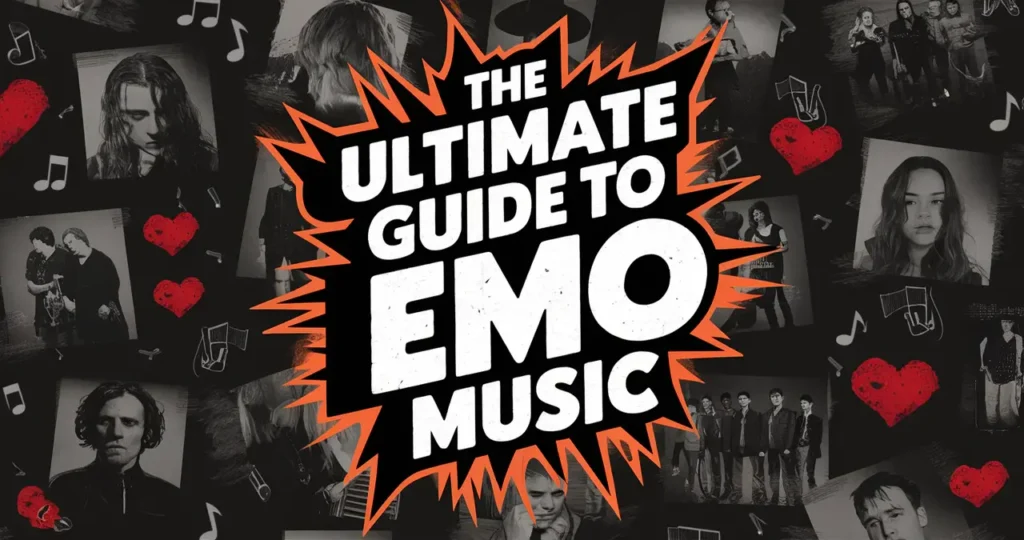
However, the cultural explosion of “emo” as a mainstream-adjacent subculture happened in the early to mid-2000s. This is the period most visually recognizable today and the direct ancestor of the modern emo PFP. Bands like My Chemical Romance, Fall Out Boy, Panic! At The Disco, and Taking Back Sunday brought the sound to stadium levels, and with it came a defined, iconic look. The aesthetic was a deliberate rebellion against the polished pop and baggy-jeaned trends of the time. It involved tight, black jeans, band tees (often with the sleeves cut off), studded belts, Converse or Vans shoes, and that most iconic of hairstyles: the side-swept, long fringe, often dyed jet black with stark contrasting streaks of vibrant red, blue, or purple. This was the “scene kid” era, where online spaces like MySpace became the digital playground for this identity. The MySpace profile picture was the primordial emo pfp—a carefully angled selfie, often in a bathroom mirror, featuring exaggerated eyeliner, a serious or pouting expression, and a signature hair flip. This was the blueprint, proving that the digital self-portrait could be a powerful tool for subcultural connection.
Decoding the Visual Language: What Makes a Profile Picture “Emo”?
An emo PFP follows a specific, though wonderfully varied, visual grammar. It’s a set of codes and cues that immediately communicates its genre to those in the know. The most immediate signal is color, or often, the deliberate lack thereof. A monochromatic or duotone scheme is king. Deep blacks, muted grays, and stark whites create a base of seriousness and contrast. Then, accent colors are strategically employed to evoke mood. Blood reds signify passion, pain, and intensity. Purples and violets convey mystery, melancholy, and a touch of royalty. Occasional neon greens or blues might hint at the more playful, “scene” side of the aesthetic. The overall editing style often leans towards high contrast, where shadows are deepened and highlights are sharpened, creating a dramatic, almost cinematic effect. Grain and texture are also beloved elements, adding a sense of rawness, nostalgia, and imperfection that contradicts the sterile, high-gloss images prevalent on other platforms.
Beyond color and editing, the content of the image is paramount. Selfies remain a staple, but they are performative. The gaze is often averted, looking down or away from the camera, suggesting introspection or sadness. When eye contact is made, it’s typically intense, with eyeliner playing a starring role. Symbolism is heavily used. Common motifs include broken hearts, roses (especially wilting or black roses), skulls, bats, crowns, and handwritten lyrics or poetry. Then there is the massive realm of character-based emo profile pictures. Certain anime characters who embody tragic backstories or emotional depth—think characters from “Neon Genesis Evangelion,” “Tokyo Ghoul,” or “Attack on Titan”—are perennial favorites. Original characters (OCs) drawn in a specific alt-art style, often with teardrops, stitches, or bandages, are also hugely popular. The core principle across all these elements is the expression of authentic, often vulnerable, emotion. An emo PFP is never just a happy snapshot; it’s a piece of digital art that tells a story of depth, complexity, and feeling.
The Modern Renaissance: Emo Pfps on TikTok, Discord, and Beyond
While some predicted the demise of emo culture after the 2000s, it has instead undergone a vibrant and thoughtful revival, with the emo PFP at its digital forefront. Modern platforms have evolved in form while staying true to their emotional core. TikTok, with its algorithmically-driven subcultures, has been instrumental. Tags like #emo, #alt, and #scene have billions of views, creating communities where users share not just music, but aesthetics. On TikTok, the emo PFP often takes the form of a looping video or a GIF—a few seconds of someone flipping their hair, applying eyeliner, or looking pensively out a window, set to a snippet of a nostalgic or new emo song. This adds a layer of dynamism and personality that a static image can’t match. It’s a living, breathing profile picture that captures the kinetic energy of the culture.
Discord, the hub for niche gaming and interest communities, is another critical space. Here, your emo PFP acts as your badge within a specific server. In a Discord server dedicated to post-hardcore music or alternative art, your chosen image immediately establishes your credibility and shared taste. It’s a non-verbal icebreaker. Furthermore, modern digital art tools have democratized creation. Apps like PicsArt, VSCO, and even advanced tools like Photoshop are accessible, allowing anyone to become an editor. The modern emo PFP might blend multiple images, use intricate layering, or employ glitch art effects, pushing the aesthetic into new, technologically-enabled territories. This renaissance isn’t just nostalgia; it’s a reinterpretation. Today’s emo kid might pair a classic My Chemical Romance shirt with pronouns in their bio, using their emo PFP to signal not just musical taste, but a holistic, inclusive alt identity that embraces the emotional honesty of the past while firmly residing in the present.
Crafting Your Own: A Step-by-Step Guide to Creating the Perfect Emo Pfp
Creating your own signature emo PFP is a creative and personal process. The first step is sourcing your base image. This could be a selfie you take specifically for this purpose. Find good, dramatic lighting—perhaps from a window on a cloudy day or a single lamp in a dark room. Don’t be afraid to experiment with angles and expressions. Remember, the goal is emotion, not a perfect smile. Alternatively, you might choose a picture of your favorite anime character, a piece of fan art, or an abstract image that resonates with you. The key is to start with an image that already has some of the raw material you’re looking for: interesting shadows, a compelling subject, or a moody atmosphere. If you’re not comfortable using your own face, that’s completely valid; the world of character and abstract emo profile pictures is vast and welcoming.
Once you have your base image, the magic happens in editing. Start by adjusting the basic parameters. Crank up the contrast to make darks darker and lights lighter. Lower the brightness slightly. Adjust the saturation—often, desaturating the image slightly and then boosting one specific color (like red or purple) can create a powerful effect. Next, explore filters and overlays. Look for filters with names like “dramatic,” “gothic,” “vintage,” or “granular.” Overlays are fantastic for adding texture; search for “dust,” “scratch,” “light leak,” or “grain” overlays and blend them subtly over your image. The final touch is often adding text or small graphic elements. A line of lyrics from a song that defines your current mood, a small doodle of a crow or a rose in the corner, or even your username styled in a dripping, gothic font can personalize your emo PFP. The process is iterative. Save versions, take breaks, and come back to see what feels most authentic to you. The perfect emo PFP is the one that makes you nod and think, “Yes, that’s my vibe.”
The Psychology and Community: Why the Emo Pfp Matters So Much
On the surface, an emo PFP is just a small image. But psychologically and socially, it serves profound functions. Firstly, it is a powerful tool for identity formation and affirmation. Adolescence and young adulthood are periods of intense self-discovery and often feelings of alienation. Adopting an emo PFP is an act of self-labeling. It’s a way to say, “I am a person who feels things deeply, and I am aligning myself with a culture that values that depth.” This external symbol can help solidify an internal sense of self, providing a template through which to understand one’s own emotions. It transforms difficult feelings like sadness, angst, or longing from sources of shame into badges of honor, reframed as authenticity and poetic sensitivity. In a world that often demands constant positivity, an emo profile picture is a quiet rebellion, a claim to the validity of the full emotional spectrum.
Secondly, and just as importantly, it is a beacon for the community. Humans have a fundamental need to belong, and subcultures provide a tribe. An emo PFP acts as a recognizable flag in the digital wilderness. When you join a new online space and see another user with a clearly emo PFP, an immediate, unspoken connection is formed. It’s a signal that says, “We likely enjoy similar music, understand similar references, and share a common cultural language.” This can be the starting point for friendship, collaboration, and support. In comment sections, on gaming servers, or in forum threads, that small image fosters a sense of safety and camaraderie. It breaks the ice without a single word being typed. In this way, the emo PFP transcends its role as mere decoration; it becomes a social lifeline, a digital clubhouse door that reads “You are welcome here.”
Navigating the Clichés and Finding Authenticity in Your Emo Style
As with any popular aesthetic, the world of emo PFP creation has its share of overused tropes and clichés. The overly edited tear streak, the excessively glitched image that becomes unreadable, the repetitive use of the same three anime characters—these can sometimes make profiles blend into a homogenous mass rather than stand out as individuals. The key to navigating this is not to avoid all common elements, but to use them as a starting point for your own unique expression. For example, everyone uses dark colors, but what about a deep, moody navy blue as your primary tone instead of black? Or using a warm, desaturated sepia to evoke a different kind of nostalgia? Instead of a broken heart, what personal symbol represents your current state? Perhaps a locked diary, a wilting sunflower, or a folded paper crane.
Authenticity is the soul of emo culture. It was born from a desire for genuine emotional expression in music. Your emo PFP should follow that same principle. Instead of asking, “What makes an emo profile picture?” try asking, “What image or edit genuinely reflects how I feel or who I am right now?” Use the visual language—the contrast, the symbolism, the mood—but feed it with your personal reality. Maybe your version of an emo PFP is a beautifully composed photo of a rainy window, a close-up of your hands holding a favorite vintage book, or a minimalist drawing you did yourself. Don’t be a photocopy of a trend; be an original piece of art. The most resonant emo PFP is one where the person behind it can honestly say, “This is me,” even if that “me” is filtered through a specific aesthetic lens. That honesty is what separates a cliché from a classic.
The Artistic Influence: From Digital Pixels to Real-World Design
The influence of the emo PFP aesthetic has seeped out from our screens and begun to shape broader artistic and design trends. The distinct visual style—high contrast, duotone color palettes, grunge textures, and melancholic symbolism—is now seen in areas far beyond profile pictures. Graphic designers for indie music bands, especially in the post-rock, shoegaze, and modern emo revival genres, heavily borrow from this look. Album covers, concert posters, and merch designs frequently feature the grainy photos, handwritten fonts, and stark imagery familiar to anyone who has browsed a gallery of emo profile pictures. This creates a cohesive visual identity that connects the music directly to its fanbase’s mode of self-expression online.
Furthermore, the fashion world continually cycles through subcultural inspiration. The 2000s emo and scene look is firmly back in style, with brands both high-end and fast-fashion offering versions of skinny jeans, graphic band tees, and layered accessories. The emo PFP acts as a constant style mood board, cataloging and popularizing specific combinations of clothing, hair color, and makeup. A popular TikTok user with a distinctive emo PFP that features a unique eyeliner style or a particular way of layering chains can inadvertently start a micro-trend. The aesthetic also influences digital art communities on platforms like Instagram and DeviantArt, where artists develop a following for their signature “emo” or “alt” character designs, which are then adopted by thousands as their perfect emo PFP. This cyclical relationship between a niche online symbol and broader cultural production proves the emo PFP is not a passive image, but an active, generative force in contemporary visual culture.
A Comparative Look: Emo Pfp vs. Other Alt Profile Picture Styles
Understanding the emo PFP is also about understanding what it is not. The digital altosphere is rich with varied aesthetics, each with its own visual rules and community. Placing the emo profile picture side-by-side with its cousins helps clarify its unique position.
| Primary Mood | Melancholic, introspective, passionate, vulnerable. | Whimsical, peaceful, nostalgic, pastoral. | Nostalgic, surreal, ironic, detached. | Dark, romantic, mysterious, elegant, sometimes macabre. |
| Color Palette | Black, white, gray, with accents of red, purple, blue. | Earthy greens, browns, soft creams, sky blues, floral pastels. | Muted pinks and blues, seafoam green, purple, black, often with a “sunset” gradient. | Almost exclusively black, white, deep red, and sometimes royal purple. |
| Common Imagery | Selfies (with specific expressions), broken hearts, roses, lyrics, anime characters with emotional depth. | Forests, meadows, baked goods, vintage dresses, animals, mushrooms, wildflowers. | Classical statues, palm trees, neon grids, Japanese text, retro technology (Windows 95, CRT monitors). | Bats, cemeteries, vampires, crucifixes, intricate lace, architecture like cathedrals, ankhs. |
| Typical Editing | High contrast, grain/texture overlays, duotone filters, sharpness. | Soft glow, warm filters, slight blur to mimic a “dreamy” look, light leaks. | Glitch effects, color channel shifts, pixelation, checkerboard patterns, chromatic aberration. | Clean, high-contrast but less grainy than emo; often has a polished, dramatic chiaroscuro effect. |
| Cultural Roots | Emo music (from 80s emocore to 2000s pop-punk), DIY ethos, poetic vulnerability. | A nostalgia for idealized rural life, sustainability, fantasy literature (like Tolkien). | 80s/90s consumerism, lounge music, early internet imagery, critiques of capitalism. | Gothic rock and post-punk music (Bauhaus, Siouxsie), Victorian literature, horror cinema. |
As the table illustrates, while these styles may sometimes overlap (an emo PFP might borrow a glitch effect from vaporwave, or a goth profile picture might share a love for dark colors), their core inspirations and emotional destinations are distinct. An emo PFP is fundamentally tied to a personal, emotional narrative, often feeling more contemporary and connected to pop culture than the historical romanticism of goth or the ironic detachment of vaporwave.
The Voices of the Culture: Quotes on the Emo Pfp Phenomenon
The impact of the emo PFP is best understood through the words of those who live the culture. It’s more than an academic subject; it’s a lived experience.
A notable digital artist who specializes in creating emo profile picture commissions for clients online shared: “When someone asks me to draw their emo pfp, they’re not just asking for a cool picture. They’re giving me fragments of their story—a favorite song lyric, the way they wish their hair looked, a metaphor for how they feel. My job is to assemble those fragments into a visual avatar that makes them feel seen. It’s incredibly intimate.”
A long-time member of various alternative online forums reflected on the evolution: “Back on MySpace, your PFP was your entire identity. You’d spend hours picking the right one, editing it in Picnik. Now, on Discord, it’s the same energy but with better tools. That little picture is how I’ve made friends across the globe. We recognized each other’s emo PFP in a random game lobby, and now we talk every day. It’s a secret handshake that the algorithm doesn’t control.”
These insights highlight the dual nature of the emo PFP as both a deeply personal creation and a powerful social connector. It’s a project of the self and a passport to community.
Frequently Asked Questions About Emo Pfps
What exactly is an emo PFP?
An emo PFP is a profile picture used on social media, gaming platforms, or forums that embraces the aesthetic and emotional themes of emo subculture. It’s more than just a picture; it’s a deliberate stylistic choice that signals identification with alternative music, fashion, and a mindset that values emotional depth and poetic expression. An emo profile picture typically utilizes a specific visual language involving dark or muted color palettes, high-contrast editing, symbolic imagery like roses or skulls, and often features a selfie with a serious expression or a relatable character from anime or alt-art.
Do I need to use my own face in an emo PFP?
Absolutely not. Using your own face is a common choice, but it’s not a requirement at all. A huge portion of emo PFP culture revolves around using other imagery. Many people use pictures of their favorite anime characters who embody emotional struggles, original artwork (either commissioned or found), symbolic objects, abstract edits, or even pictures of beloved emo musicians. The goal is to convey a mood and identity, and a personal selfie is just one of many powerful tools to achieve that. The authenticity comes from the connection you feel to the image, not necessarily from it being a photo of you.
What are the best apps to create an emo profile picture?
The best app depends on your skill level and desired outcome. For beginners and quick, powerful edits, PicsArt is a fantastic all-in-one tool with a massive library of emo-friendly filters, stickers (like tears, roses, and scribbles), and adjustment tools. VSCO is excellent for achieving nuanced, film-like color grading and adding beautiful grain. For more advanced control, Adobe Lightroom Mobile allows you to create and save your own custom preset filters. If you’re into drawing or adding graphic elements, apps like IbisPaint X or even Procreate on iPad are industry standards. Don’t underestimate the built-in photo editors on your phone—often, just playing with contrast, shadows, and a vignette can get you 90% of the way there.
How can I find a unique emo PFP and avoid clichés?
To find a unique emo PFP, start by looking inward for inspiration rather than just browsing popular galleries. Think about symbols, colors, or characters that hold personal meaning for you beyond the standard tropes. Instead of a rose, maybe it’s a specific flower that grows where you live. Instead of a generic anime character, perhaps it’s a character from a less mainstream show or book you adore. Explore different artistic styles—maybe a linocut print aesthetic or a watercolor smear effect. Combine elements in unexpected ways. Most importantly, use editing tools to put your own stamp on any base image; even a common picture can become yours uniquely with a custom color grade and personal symbolic additions.
Is the emo PFP trend just a phase or a lasting part of online culture?
While the intensity of the trend may ebb and flow, the emo PFP has proven to be a lasting fixture in online culture. Its roots are too deeply tied to a fundamental human need: the expression of complex identity and emotion in a simplified digital format. As long as there are online communities and profile pictures, people will use those pictures to signal belonging and inner life. The emo subculture, with its focus on authentic feeling, provides a rich and adaptable visual vocabulary for that signaling. The tools and platforms will change—from MySpace to TikTok to whatever comes next—but the core function of the emo profile picture as a digital emblem of the sensitive, introspective, and alternative self is likely to persist and evolve indefinitely.
Conclusion
The journey through the world of the emo PFP reveals it to be so much more than a passing internet fad or a mere stylistic choice. It is a complex, meaningful practice rooted in decades of musical and cultural history, powered by the human desires for self-expression and community. From its origins in the raw sound of 80s emocore and its iconic visual explosion on MySpace, to its sophisticated modern revival on TikTok and Discord, the emo profile picture has consistently served as a vital tool for alt identity. It is a canvas for personal storytelling, a carefully crafted piece of digital art that communicates mood, taste, and affiliation without uttering a single word. It provides a sense of belonging in the vast digital landscape, creating instant connections between like-minded souls who recognize the shared language of dark palettes, symbolic imagery, and emotional depth.
Ultimately, creating or choosing an emo PFP is an act of claiming space. It is a declaration that in a world often demanding superficial positivity, there is value in acknowledging the fuller, darker, and more poetic spectrum of human experience. Whether you actively participate in the culture or are simply an observer, understanding the emo PFP offers a fascinating window into how subcultures thrive and adapt in the digital age. It demonstrates how the smallest digital artifact—a simple profile picture—can carry the weight of identity, the warmth of community, and the enduring power of feeling deeply. So the next time you see that distinctive, moody, beautifully edited square in a comment section or on a friend’s profile, remember: you’re not just looking at a picture. You’re looking at a story, an invitation, and a piece of a living, evolving cultural heart.